

Choosing replacement windows is one of the most important decisions you can make when improving your home. The right windows can enhance your property’s appearance, increase energy efficiency, improve security and even add value. However, with so many styles available, deciding which option is right for your home can feel overwhelming.
Among the most popular window styles in the UK are sliding sash windows and casement windows. Both have been trusted by homeowners for decades and are widely available in modern materials such as uPVC, aluminium and timber. Although they share many of the same benefits, they differ significantly in terms of operation, appearance, ventilation, maintenance and suitability for different property types.
If you’re planning to replace your windows or are simply exploring your options, understanding these differences will help you make a confident and informed decision.
Why Your Choice of Window Style Matters
Windows do far more than let natural light into your home. They play a crucial role in keeping your property warm during winter, cool during summer, reducing outside noise, improving ventilation and enhancing your home’s kerb appeal.
The style of window you choose should complement your property’s architecture while also meeting your practical needs. For example, a period cottage may benefit from the timeless elegance of sliding sash windows, whereas a modern detached home may be better suited to sleek casement windows.
When comparing window styles, it is worth considering factors such as:
- How the window opens
- Energy efficiency
- Ventilation
- Security
- Maintenance requirements
- Appearance
- Planning restrictions
- Budget
- Long-term durability
By evaluating these factors together, you can choose windows that not only look attractive but also perform well for years to come.
What Are Sliding Sash Windows?
Sliding sash windows are one of Britain’s most iconic window designs and have been a defining feature of homes since the 17th century. They are particularly associated with Georgian, Victorian and Edwardian architecture, although modern versions are now used in a wide variety of properties across the UK.
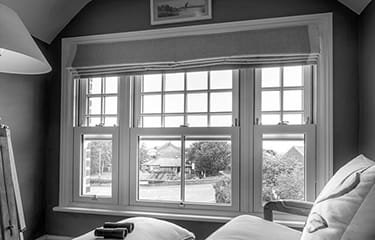
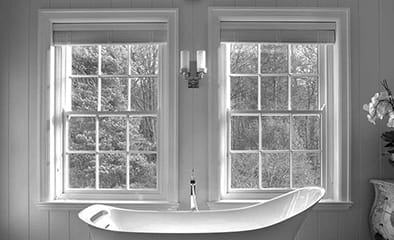
Unlike hinged windows, sliding sash windows consist of two framed glass panels—known as sashes—that move vertically within the frame. Depending on the design, one or both sashes can slide independently, allowing homeowners to control ventilation with ease.
Traditional sash windows relied on cords, pulleys and counterweights to support the movement of the sashes. Modern designs use concealed spring balance mechanisms that provide smoother operation while reducing maintenance requirements.
Today’s sliding sash windows successfully combine traditional styling with contemporary performance, making them a popular option for homeowners who appreciate classic design without sacrificing comfort or efficiency.
Key Characteristics of Sliding Sash Windows
- Vertical opening mechanism
- Elegant, symmetrical appearance
- Ideal for period and heritage properties
- Suitable for conservation areas (subject to local planning requirements)
- Available with modern energy-efficient glazing
- Often designed with tilt-in functionality for easier cleaning
What Are Casement Windows?
Casement windows are the most widely installed window style in the UK. Their simple design, versatility and practicality have made them a favourite for both modern developments and older homes.
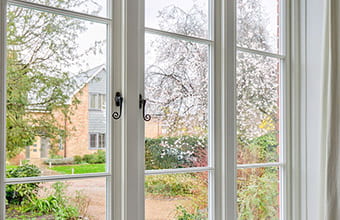
Unlike sliding sash windows, casement windows are attached to the frame using hinges and open outward. They may be side-hung, top-hung or configured in a variety of combinations to suit different rooms and property styles.
Their straightforward opening mechanism allows the entire window to open fully, providing excellent ventilation and making them particularly popular in kitchens, bedrooms and living areas.
Modern casement windows are available in a wide range of colours, finishes and frame materials, allowing homeowners to achieve either a contemporary or more traditional appearance.
Key Characteristics of Casement Windows
- Hinged opening system
- Clean, contemporary appearance
- Excellent ventilation
- Suitable for almost every property type
- Highly versatile configurations
- Easy-to-operate locking handles
Sliding Sash Windows vs Casement Windows: Understanding the Key Differences
Although both window styles perform the same basic function, the experience of living with each type can be quite different.
1. Opening Mechanism
The most noticeable difference is how the windows operate.
Sliding sash windows move vertically within the frame. The sashes slide smoothly upwards and downwards without extending beyond the building, making them ideal where external space is limited, such as along narrow pathways or pavements.
Casement windows, on the other hand, open outward on hinges. Depending on the design, they may swing from the side or top of the frame. This creates a larger opening but requires sufficient clearance outside the property.
For homeowners with flower beds, patios or walkways directly beneath their windows, this difference may influence the most practical choice.
2. Architectural Style and Appearance
A home’s windows should complement its architectural character.
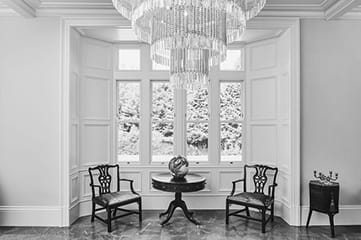
Sliding sash windows are often chosen to preserve the traditional appearance of period homes. Their balanced proportions and classic detailing make them particularly suitable for Georgian terraces, Victorian townhouses, Edwardian villas, cottages and listed buildings.
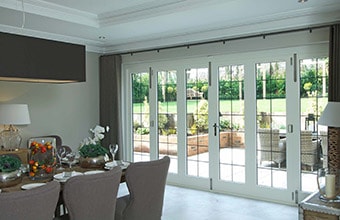
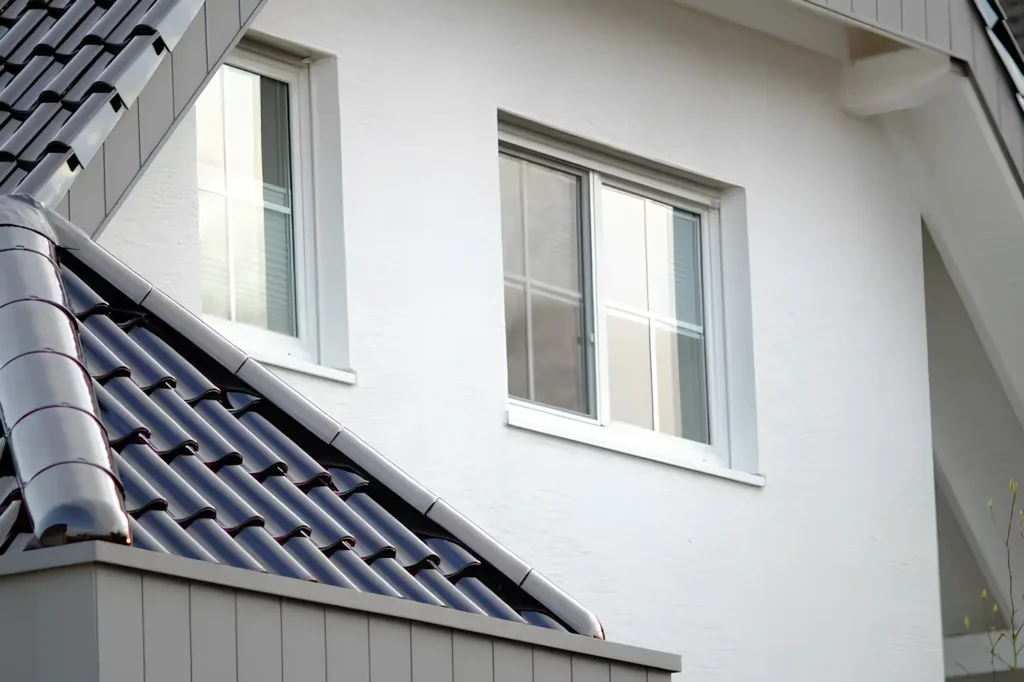
Casement windows provide a more contemporary appearance. Their larger panes of glass and minimal framing maximise natural light while creating clean, simple lines that suit modern homes, extensions and new-build properties.
Many manufacturers now offer flush casement designs that replicate the appearance of traditional timber windows, allowing homeowners to enjoy a heritage-inspired look with modern performance.
3. Ventilation and Indoor Comfort
Good ventilation contributes to healthier indoor air quality and improved comfort throughout the year.
Sliding sash windows offer a unique advantage through natural convection. Opening both the upper and lower sashes encourages warm air to escape through the top while cooler fresh air enters through the bottom. This natural circulation creates a comfortable indoor environment without generating strong draughts.
Casement windows provide wider openings, allowing larger volumes of fresh air to enter the room quickly. They are particularly effective in kitchens, bathrooms and rooms where rapid ventilation is desirable.
Both styles perform well, although the type of ventilation they provide differs slightly.
4. Energy Efficiency
Modern window technology has significantly improved the thermal performance of both sliding sash and casement windows.
Whether you choose sash or casement windows, look for features such as:
- Double or triple glazing
- Low-emissivity (Low-E) glass
- Warm-edge spacer bars
- Multi-chamber frame construction
- High-quality weather seals
These technologies help reduce heat loss, minimise draughts and improve overall comfort.
The energy efficiency of a window depends far more on its design, glazing specification, frame material and installation quality than on whether it is a sash or casement window.
5. Security Features
Security is an essential consideration for any replacement window.
Modern sliding sash and casement windows are designed with advanced locking systems that provide excellent protection against forced entry.
Common security features include:
- Multi-point locking mechanisms
- Reinforced frames
- Key-locking handles
- Internal glazing beads
- Toughened or laminated safety glass
- Child safety restrictors
Choosing windows that meet recognised UK security standards can provide additional peace of mind.
6. Cleaning and Maintenance
One of the biggest improvements in modern window design is the reduction in maintenance requirements.
Many sliding sash windows feature tilt-in sashes, allowing homeowners to clean both sides of the glass safely from inside the property. This can be particularly useful for upper-floor windows.
Casement windows are equally straightforward to maintain. Cleaning generally involves washing the glass, wiping down the frames and occasionally lubricating the hinges and locking mechanisms.
Both styles require minimal upkeep when manufactured from modern materials such as uPVC or powder-coated aluminium.
7. Materials and Finish Options
Today’s homeowners can choose from a variety of frame materials to suit different budgets and property styles.
uPVC
A popular option thanks to its affordability, excellent insulation and low-maintenance finish.
Aluminium
Favoured for its slim sightlines, exceptional strength and contemporary appearance.
Timber
Still widely used for heritage properties, offering authentic character and natural beauty, although it generally requires more regular maintenance.
Most manufacturers also offer a wide range of colours and finishes, including classic white, anthracite grey, black, cream and realistic woodgrain effects. Dual-colour options are also available, allowing homeowners to choose different colours for the interior and exterior.
Which Window Style Is Better for Different Types of UK Homes?
Every property is unique and the best choice often depends on the age and architectural style of the building.
Period Properties
Sliding sash windows are usually the preferred option for Georgian, Victorian, Edwardian and other traditional homes. Their authentic appearance helps preserve the character of older buildings while offering the benefits of modern construction.
Contemporary Homes
Casement windows often complement modern architecture thanks to their clean lines, larger glazed areas and flexible configurations.
Conservation Areas
Properties located within conservation areas may be subject to planning requirements regarding window replacements. Homeowners should always check local guidance before replacing existing windows, particularly in listed buildings or historically significant locations.
Factors to Consider Before Making Your Decision
Before choosing between sliding sash and casement windows, ask yourself the following questions:
- Does the window style complement the architecture of my property?
- What level of ventilation do I require?
- Is ease of cleaning important?
- What level of maintenance am I comfortable with?
- Are there any planning restrictions affecting my home?
- Which frame material best suits my budget and lifestyle?
- What level of energy efficiency am I aiming to achieve?
Answering these questions can help narrow down your options and ensure you select windows that meet both your practical needs and aesthetic preferences.
Frequently Asked Questions
Are sliding sash windows more expensive than casement windows?
In many cases, yes. Their more complex design and operating mechanism can make sliding sash windows more expensive than standard casement windows. However, prices vary depending on materials, glazing, size and installation.
Which window style lasts longer?
Both styles can provide decades of reliable performance when manufactured to a high standard and properly maintained. Longevity depends more on material quality, installation and ongoing care than the window style itself.
Which windows are easier to clean?
Modern sliding sash windows with tilt-in functionality are particularly convenient for upper-floor cleaning. Casement windows are also easy to maintain, although cleaning the outside of upper-storey windows may require additional access.
Can both styles improve energy efficiency?
Yes. Modern sliding sash and casement windows are designed to reduce heat loss, improve insulation and help lower energy consumption when fitted with high-performance glazing and installed correctly.
Final Thoughts
Sliding sash windows and casement windows each offer distinct advantages, making them suitable for different homes, architectural styles and homeowner preferences.
Sliding sash windows remain the preferred choice for those seeking timeless character and traditional elegance, while modern manufacturing techniques ensure they deliver the comfort, security and energy efficiency expected in today’s homes.
Casement windows continue to be one of the UK’s most popular window styles thanks to their versatility, practicality and ability to complement a wide range of properties. Their generous opening, excellent ventilation and contemporary appearance make them an ideal solution for many homeowners.
Ultimately, the right choice depends on your property’s style, your lifestyle, your maintenance expectations and your long-term priorities. By carefully considering these factors and selecting high-quality, professionally installed windows, you can enjoy improved comfort, enhanced kerb appeal and lasting value for many years to come.
Here’s a polished, blog-style version of your content, rewritten for a general UK audience with improved headings, better flow and a more engaging, SEO-friendly structure.