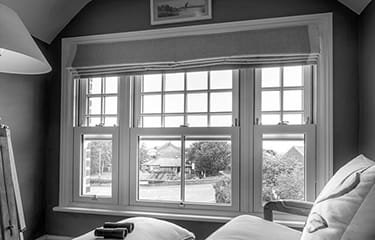
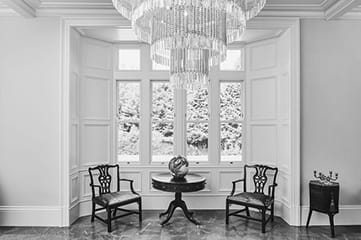
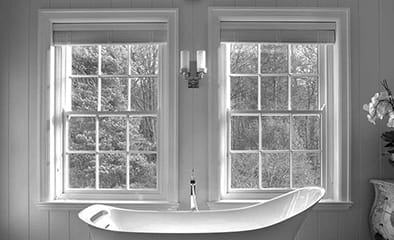


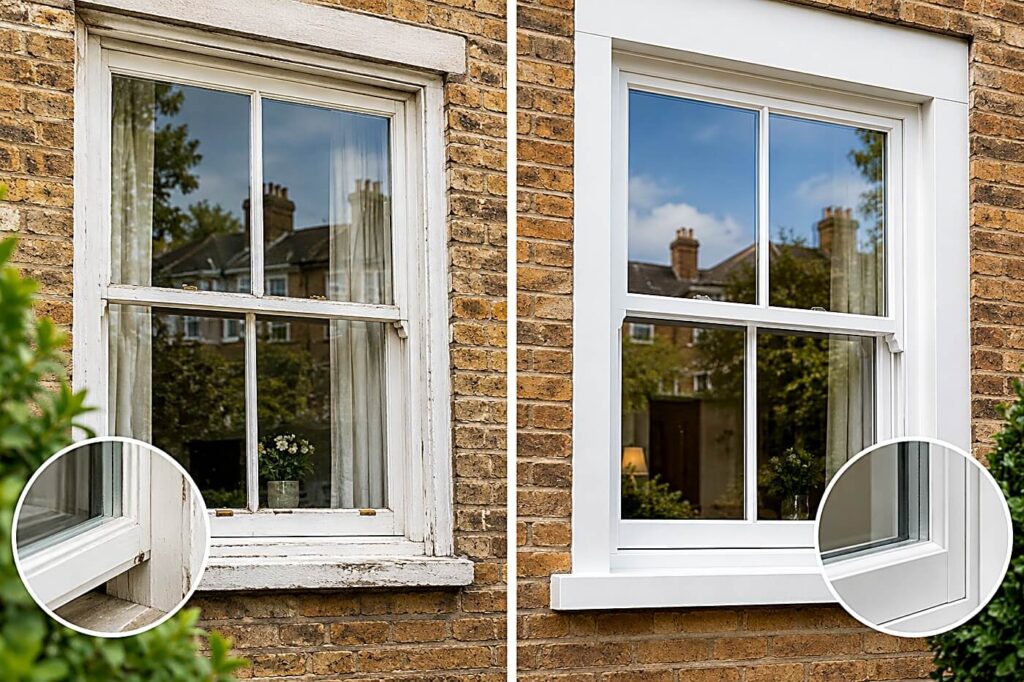
When old timber sash windows need upgrading, homeowners are often faced with two main options: retrofit new sashes into the existing box frames or replace the complete window with a new box sash window.
Both approaches have their advantages. Retrofitting can offer a more cost-conscious way of improving existing sash windows, while a complete replacement provides an opportunity to address problems with the original frame, improve draught-proofing and create a completely renewed window system.
The right choice depends on the condition of the existing frame, the desired appearance, thermal performance, budget and the requirements of the property.
For period homes, listed buildings and properties in conservation areas, the existing window design and any local planning requirements should also be considered before work begins.
What Is a Retrofit Sash Window?
A retrofit sash window involves installing new sash sections into an existing box sash frame.
The original box frame remains in place, while the existing sashes are removed and replaced with newly manufactured sashes. Depending on the design, the new sashes can incorporate modern double glazing, draught-proofing and upgraded hardware.
This approach can be attractive where the existing box frame is structurally sound and the homeowner wants to retain as much of the original window as possible.
However, the condition of the frame is extremely important. Problems that are hidden beneath layers of paint may only become apparent once the existing sashes and surrounding components have been removed.
What Is a New Box Sash Window?
A new box sash window involves replacing the complete window assembly rather than retaining the original box frame.
This generally means installing:
- New top and bottom sashes
- A new box frame
- New sash cords and weights
- New pulleys
- Modern draught-proofing
- New glazing
- New internal mouldings where required
- New external pointing around the frame
A complete replacement provides greater control over the condition, dimensions, operation and performance of the finished window.
Retrofit Sashes: The Potential Benefits
There are several reasons why homeowners consider retrofitting new sashes into existing frames.
Lower Initial Cost
Retrofitting can cost less than replacing the complete box sash window because the existing frame remains in place.
The exact saving varies considerably depending on the property and the condition of the original frame, so a professional survey is important before comparing quotations.
Retaining the Existing Frame
If an original box frame is structurally sound and suitable for reuse, retaining it can preserve more of the existing window construction.
This may be particularly appealing for period properties where maintaining traditional features is important.
Less Internal Disruption
Because the existing box frame remains in place, a retrofit project may involve less disturbance around the internal reveals and surrounding finishes than a complete window replacement.
However, the extent of disruption depends on the construction of the property and how the existing window has been installed.
The Potential Problems with Retrofitting Sash Windows
While retrofit sash windows can work well when the existing frame is in good condition, there are several issues that should be investigated before choosing this approach.
Hidden Timber Decay
An old box frame can look reasonable from the outside while concealing deterioration underneath layers of paint.
Once the frame is stripped back, problems such as timber decay, damaged sills, weakened joints and previous repairs may become visible.
If significant repairs are required, the final cost of a retrofit project can increase considerably.
Movement and Distortion
Older buildings naturally move over time, and timber frames can also become distorted through prolonged exposure to moisture and weather.
Sills, pulley stiles and other frame components may no longer be perfectly square or level.
A new sash installed into a distorted frame has to accommodate those existing dimensions. This can affect how smoothly the sash operates and may make achieving an effective draught-proof seal more difficult.
Sash Thickness and Glazing
The thickness of the replacement sash is another important consideration.
A sash needs to accommodate the selected glazing while retaining appropriate proportions, strength and operating characteristics.
Using a very slim sash to accommodate an existing frame can place limitations on the type and thickness of glazing and draught-proofing that can be incorporated.
Homeowners should therefore look beyond the glass specification and consider the complete window design.
Sash Weights and Cords
Traditional box sash windows rely on a carefully balanced weight-and-cord system.
Inside an older box frame, weights can become obstructed by debris, old fixings or damaged components. Dividing timbers and other internal elements may also have deteriorated over time.
If the original mechanism is retained, these components should be inspected and repaired or replaced where necessary.
Pulley Condition
The pulley wheels are another important part of a traditional sash window.
Older pulleys can become worn, noisy or damaged, while deteriorated wheels may contribute to premature wear of sash cords.
Replacement pulleys can be installed as part of a refurbishment or retrofit project, but access and the condition of the surrounding frame should be assessed beforehand.
What About Draught-Proofing?
Draught-proofing is one of the major considerations when upgrading traditional sash windows.
Modern sash windows can incorporate discreet seals designed to reduce unwanted air movement while retaining the appearance and operation associated with traditional box sash windows.
The quality of the installation is just as important as the specification of the draught-proofing system. Poorly fitted seals can affect sash movement and may become more noticeable over time.
For homeowners seeking a traditional appearance, discreet or concealed draught-proofing can provide a cleaner finish than highly visible seals or brushes.
The Benefits of New Box Sash Windows
Replacing the complete window provides an opportunity to address both the visible and hidden elements of the original installation.
A Completely New Window System
A new box sash window means that the frame, sashes and operating components are manufactured as a complete system.
This removes many of the unknowns associated with retaining an ageing box frame.
Improved Operation
New components can be accurately manufactured and installed to ensure the sashes are correctly balanced and aligned.
This can result in smoother opening and closing compared with an old, distorted or heavily repaired frame.
Modern Draught-Proofing
New box sash windows can incorporate purpose-designed draught-proofing systems.
Where the seals are discreetly integrated into the window design, they can improve comfort without significantly changing the traditional appearance.
New External Pointing
Replacing the complete window also provides an opportunity to renew the external pointing around the frame.
Damaged or poorly maintained pointing can allow moisture and air to enter around the window perimeter. A properly finished installation can help create a more effective weather-resistant junction.
Consistent Appearance
A complete replacement provides greater control over the final proportions, sightlines, glazing arrangement, hardware and finish.
This can be particularly valuable when several windows across a property need to be replaced and a consistent appearance is required.
Retrofit or New Box Sash Windows: Which Should You Choose?
There is no single answer that applies to every property.
A retrofit sash window may be appropriate where:
- The original box frame is structurally sound
- Timber decay is minimal
- The frame is reasonably square and level
- The existing pulley system can be retained or upgraded
- The homeowner wants to minimise disruption
- Retaining the original frame is a priority
A new box sash window may be more appropriate where:
- The original frame has significant timber decay
- The frame is badly distorted
- The existing pulley system is unreliable
- Draught-proofing is difficult to achieve
- The external pointing has deteriorated
- The homeowner wants a completely renewed window
- Consistent performance across multiple windows is important
A detailed survey should be carried out before making a decision.
Consider Energy Efficiency as Part of the Overall Window Design
Replacing or upgrading sash windows is often driven by concerns about draughts, heat loss and comfort.
However, energy performance should not be judged by the glazing alone.
The complete window system includes:
- The glass
- Sash construction
- Frame
- Draught-proofing
- Seals
- Sash weights
- Installation
- Perimeter sealing
- External weather protection
A professionally designed sash window should balance thermal performance with the proportions, appearance and operating characteristics expected from a traditional window.
Building Regulations and Certification
Homeowners should also establish what regulatory requirements apply to their particular project.
The requirements can depend on factors such as whether the work is a repair, refurbishment or complete replacement, as well as the type and location of the property.
If a complete window replacement is being considered, ask the installer how the proposed installation will comply with applicable UK Building Regulations and what certification or compliance documentation will be provided.
For properties in conservation areas or listed buildings, planning or conservation requirements may also need to be considered before replacing existing windows.
Why a Professional Sash Window Survey Matters
The best way to determine whether retrofit or complete replacement is appropriate is to inspect the existing windows before work begins.
A professional survey should consider:
- Timber condition
- Frame movement
- Sill condition
- Pulley operation
- Sash dimensions
- Existing glazing
- Draughts
- External pointing
- Internal reveals
- Previous repairs
- Building and planning requirements
This helps establish whether the existing frame is suitable for continued use or whether complete replacement would provide a more reliable long-term solution.
Choosing the Right Sash Window Solution
Traditional sash windows are an important architectural feature of many UK homes. Upgrading them does not necessarily mean losing their character.
Modern manufacturing techniques can reproduce traditional proportions while incorporating improvements such as double glazing, discreet draught-proofing and modern operating components.
Whether you choose retrofit sashes or new box sash windows, the priority should be a solution that suits the condition and character of the property while delivering the required level of performance.
Box Sash Windows London
For homeowners researching traditional sash window replacement and refurbishment, Box Sash Windows London provides a useful reference when exploring options for period and heritage-style properties.
When considering new box sash windows, it is worth discussing the condition of the existing frames, glazing requirements, draught-proofing, architectural details and any conservation considerations with an experienced sash window specialist.
A detailed survey can then help determine whether retaining the existing box frame or installing a completely new box sash window is the more suitable approach.
Final Thoughts
Retrofit sash windows and new box sash windows can both have a place in the renovation of traditional properties.
Retrofitting can provide a cost-effective way of upgrading suitable existing frames, while complete replacement offers the opportunity to start again with a new frame, modern components, improved draught-proofing and a consistent finish.
The condition of the existing box frame is ultimately one of the most important factors.
Rather than automatically choosing one option, homeowners should have their sash windows professionally assessed and compare the long-term performance, maintenance requirements, appearance and cost of each solution.
With the right specification and installation, it is possible to improve the performance of traditional sash windows while retaining the character that makes them such an important feature of period homes.