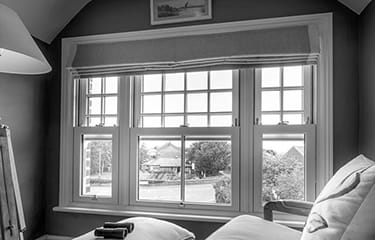
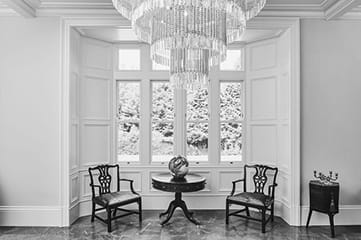
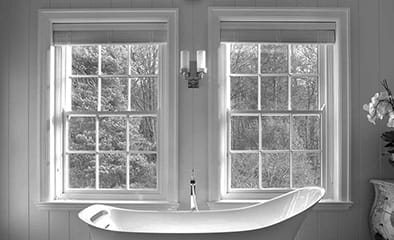
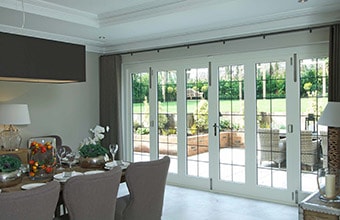


Sash windows have remained a popular feature of British architecture for centuries, combining traditional elegance with practical functionality. From Georgian townhouses and Victorian terraces to Edwardian properties and contemporary homes, sash windows offer a distinctive appearance that can enhance the character and value of a property.
However, not all sash windows are the same. Different styles feature unique glazing patterns, opening mechanisms, frame designs and proportions. Understanding the different types of sash windows can help homeowners choose the right option for their property’s architectural style, ventilation requirements, energy efficiency and maintenance needs.
Whether you are renovating a period property, replacing ageing windows or introducing traditional detailing to a modern home, this guide explores the most popular sash window styles available across the UK.
What Are Sash Windows?
Sash windows are windows made up of one or more movable panels, known as sashes, which hold the glazing in place. Traditional sash windows usually slide vertically, allowing the window to open without projecting outwards.
Older timber sash windows commonly operate using cords, pulleys and counterweights, while modern designs may incorporate spring balances or other sliding mechanisms. Contemporary versions can also feature double glazing, improved weather seals and upgraded locking systems.
Sash windows are particularly popular in conservation areas and period properties because their proportions and detailing can complement traditional British architecture. Modern designs also make it possible to enjoy the appearance of sash windows while benefiting from improved comfort and performance.
The Most Popular Types of Sash Windows
Choosing the right sash window depends on your home’s architectural period, the available window opening and your preferred combination of appearance and functionality. The following styles are among the most common options for UK homeowners.
1. Single-Hung Sash Windows
Single-hung sash windows feature two sashes, but only the bottom sash moves. The upper sash remains fixed, making this design a relatively straightforward option for properties that require a traditional appearance without two independently moving panels.
Key features of single-hung sash windows
- A classic, traditional window design.
- One movable sash for straightforward operation.
- A fixed upper panel that reduces the number of moving components.
- A suitable option for certain traditional and contemporary properties.
Single-hung sash windows can be a practical choice where the priority is a simple opening mechanism and a traditional aesthetic. However, ventilation is generally more limited than with double-hung designs because only one sash can be opened.
Homeowners should also check the cleaning arrangements, particularly for upper-level windows, as access to the exterior glass can vary by design.
2. Georgian Sash Windows
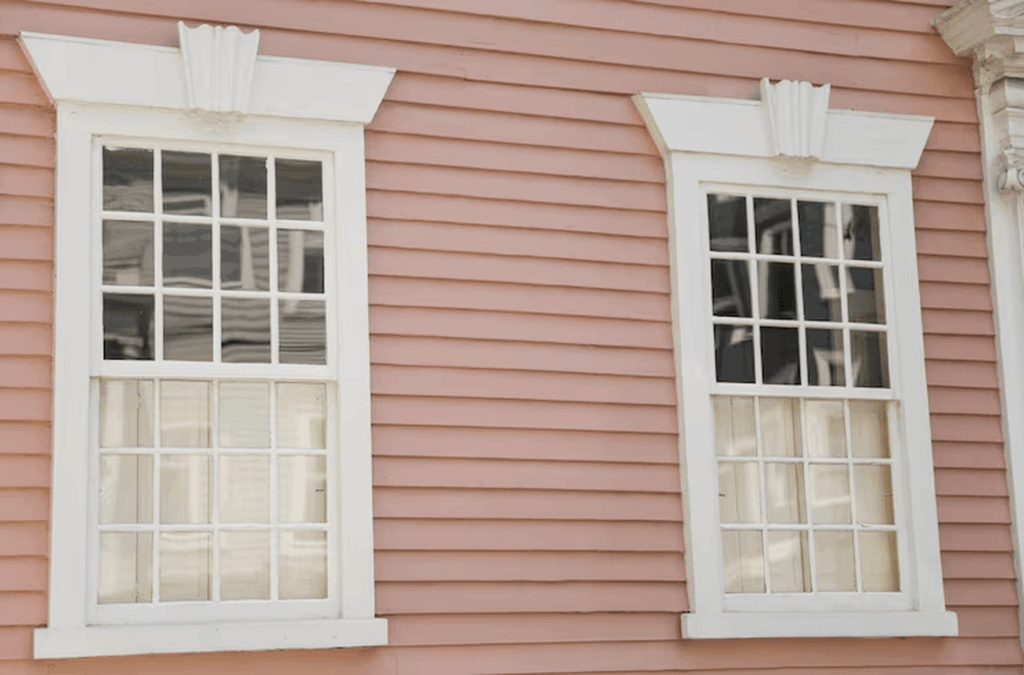
Georgian sash windows are recognised for their distinctive grid-like glazing patterns, often featuring multiple smaller panes separated by glazing bars. These windows reflect the architectural style associated with Georgian buildings, which commonly emphasised symmetry, balanced proportions and elegant façades.
Traditional Georgian windows often used smaller individual panes because of the limitations of historical glass manufacturing. Modern versions can recreate this appearance using different glazing and bar arrangements.
Why choose Georgian sash windows?
- They complement Georgian townhouses and other period properties.
- Decorative glazing bars create a distinctive heritage appearance.
- Symmetrical designs can enhance the overall façade.
- Modern versions can incorporate contemporary glazing technology.
Georgian-style sash windows can also work well in newer properties where homeowners want to introduce traditional character.
When selecting replacements for a historic building, it is important to consider the original glazing pattern, frame proportions and local planning requirements. Properties in conservation areas or those with listed status may be subject to additional restrictions.
3. Victorian Sash Windows
Victorian sash windows are widely associated with traditional British terraces, townhouses and period homes. Many designs feature a two-over-two glazing arrangement, with two panes in the upper sash and two in the lower sash. However, Victorian window styles varied considerably, and some properties feature different pane arrangements.
Compared with many Georgian designs, Victorian sash windows often have larger areas of glass and more slender vertical proportions, helping create a bright and elegant appearance.
Benefits of Victorian sash windows
- They preserve the character of Victorian-era properties.
- Larger panes can allow plenty of natural daylight into a room.
- Traditional proportions suit many period façades.
- Modern replacement designs can offer improved thermal performance.
Victorian sash windows are particularly suitable for homeowners renovating traditional terraces or restoring the appearance of older properties.
For those seeking better insulation, modern double-glazed sash windows may offer a way to retain the traditional style while improving comfort. The final appearance will depend on the frame design, glazing specification and the requirements of the property.
4. Double-Hung Sash Windows
Double-hung sash windows allow both the upper and lower sashes to move independently. This provides greater flexibility than a single-hung design, allowing homeowners to adjust the opening to suit ventilation requirements.
Opening both sashes can encourage air circulation as warmer air escapes through the upper opening while cooler air enters through the lower opening. The actual airflow will depend on the building layout and environmental conditions.
Advantages of double-hung sash windows
- Both sashes can be opened independently.
- Ventilation can be adjusted more flexibly.
- The traditional appearance suits many architectural styles.
- Modern mechanisms can make operation smoother and easier.
Double-hung sash windows are available in a variety of designs, including traditional timber versions and modern replacement options.
Some contemporary models also incorporate tilt-in features, allowing the sashes to tilt inwards for easier cleaning. This can be particularly useful for upper-storey windows where exterior access is difficult.
When comparing products, check the opening mechanism, security features, weather seals and glazing specification rather than choosing based on appearance alone.
5. Horizontal Sliding Sash Windows
Horizontal sliding sash windows operate from side to side rather than moving vertically. They are sometimes referred to as horizontal sliding windows or Yorkshire sash windows, although the precise terminology can vary by design and region.
This style is often associated with traditional cottages and rural properties, but contemporary versions can also complement modern homes.
What makes horizontal sliding sash windows different?
- The panels slide horizontally within the frame.
- They can suit wider window openings.
- The design offers an alternative to conventional vertical sliding sashes.
- The appearance can complement certain traditional and contemporary properties.
Horizontal sliding sash windows may be suitable where the proportions of the opening make a side-to-side mechanism more practical.
However, homeowners should consider the amount of glass that remains obstructed by the overlapping panels and the ventilation available when the window is open.
If you are replacing existing windows, checking the original design and the building’s architectural character will help determine whether horizontal or vertical sliding windows are the better option.
6. Edwardian Sash Windows
Edwardian sash windows are associated with the early twentieth century and often feature a combination of larger lower panes and multiple smaller panes in the upper sash. A common arrangement is six panes above and two below, although other configurations exist.
Edwardian architecture frequently favoured brighter interiors, generous window openings and a lighter appearance than some earlier styles. As a result, Edwardian sash windows can provide a balance between decorative detailing and natural light.
Features of Edwardian sash windows
- Glazing patterns that combine larger and smaller panes.
- Elegant proportions suited to many period homes.
- A balance between traditional detailing and larger areas of glass.
- Designs that can complement Edwardian terraces, villas and detached houses.
Edwardian-style sash windows are a popular consideration when renovating properties built during this period.
Modern replacement options can reproduce the original appearance while incorporating updated glazing and sealing systems. The most appropriate design will depend on the existing windows and any requirements affecting the property.
7. Box Sash Windows
Box sash windows are a traditional form of vertically sliding sash window. Their name comes from the box-like frame that houses the sash cords, pulleys and counterweights used to balance the moving panels.
They are commonly found in Georgian, Victorian and Edwardian properties throughout the UK.
Why are box sash windows popular?
- They retain the appearance of traditional British architecture.
- Counterweighted mechanisms can provide smooth operation when properly maintained.
- Their proportions suit many period properties.
- They can be restored or replaced with carefully designed modern alternatives.
Traditional box sash windows are often made from timber, although replacement products may use other materials or modern construction methods.
If your existing windows are draughty, difficult to operate or showing signs of deterioration, restoration may be possible. Alternatively, replacement windows may be worth considering where the frames are extensively damaged or the existing design cannot meet your requirements.
The decision should take account of the condition of the original windows, energy performance, maintenance costs and the property’s heritage status.
8. Double-Glazed Sash Windows
Double-glazed sash windows are designed to retain the familiar sliding sash appearance while incorporating two panes of glass separated by a sealed cavity.
The cavity helps reduce heat transfer through the glazing compared with many older single-glazed windows. Modern double-glazed designs can also improve internal comfort and reduce some external noise, depending on the overall window specification.
Benefits of double-glazed sash windows
- Improved thermal performance compared with many traditional single-glazed windows.
- Potentially reduced draughts when combined with suitable frame seals.
- Greater indoor comfort during colder weather.
- A range of traditional designs and glazing patterns.
- Options for both replacement projects and selected renovation schemes.
Double glazing is not a guarantee of a particular energy saving. Performance depends on the complete window, including the glass, frame, installation quality and air leakage.
For period properties, it is also important to select a design that respects the original appearance and complies with any applicable planning or conservation requirements.
9. Timber Sash Windows
Timber sash windows remain a popular choice for homeowners who value traditional materials and authentic architectural detailing.
Timber can be shaped and finished to suit different period styles, making it particularly suitable for heritage properties where the original appearance is important.
Advantages of timber sash windows
- A natural appearance that complements traditional architecture.
- Flexibility in detailing, finishes and proportions.
- Suitability for restoration and like-for-like replacement projects.
- The potential for long service life with appropriate maintenance.
However, timber windows require regular inspection and maintenance to protect them from moisture and deterioration. The quality of the timber, paint or coating system, drainage details and installation all influence their durability.
For listed buildings and some conservation-area properties, timber may be required or preferred to preserve the historic character of the building. Always check the relevant requirements before choosing a replacement material.
10. Modern Sash Windows
Modern sash windows combine the familiar sliding appearance with contemporary materials, security features and glazing options. Depending on the product, frames may be manufactured from timber, uPVC or other materials.
These windows are designed to suit homeowners who want a traditional aesthetic without necessarily choosing a fully traditional construction method.
What to look for in modern sash windows
- Smooth and reliable opening mechanisms.
- Suitable locking systems and security features.
- Effective weather seals.
- Appropriate glazing for thermal and acoustic performance.
- Finishes and frame proportions that suit the property.
Modern sash windows can be a practical option for newer homes or renovation projects where traditional styling is desired.
When choosing a replacement, look beyond the material alone. The quality of manufacture, installation, glazing specification and maintenance requirements are all important factors.
How to Choose the Right Sash Window for Your Property
With several sash window styles available, the best option will depend on the building and your priorities. Consider the following factors before making a decision.
Match the window to your home’s architecture
Georgian, Victorian and Edwardian properties often feature distinctive window proportions and glazing patterns. Choosing a design that reflects these characteristics can help maintain the appearance of the property.
For newer homes, modern sash windows can introduce traditional styling without requiring every architectural detail to be reproduced.
Consider thermal performance
Older single-glazed windows can contribute to heat loss and draughts. Depending on the property, options may include repairing existing windows, improving draught-proofing, installing secondary glazing or choosing suitable double-glazed replacements.
The most appropriate approach will depend on the condition of the existing windows and whether the building has any heritage restrictions.
Think about ventilation
Single-hung windows allow only the lower sash to move, while double-hung designs allow both sashes to open. Horizontal sliding designs provide a different opening arrangement.
Consider how much ventilation each design provides and whether the opening mechanism suits the room.
Review maintenance requirements
Timber windows may require periodic painting or protective treatments, while other materials have different cleaning and upkeep requirements. Moving parts, seals and locking mechanisms should also be inspected periodically.
Check planning and conservation requirements
Replacing windows in a listed building or a property within a conservation area may require permission or approval, depending on the proposed changes and local circumstances.
Check with the relevant local planning authority before committing to a replacement design, especially if the new windows will differ in material, proportions or appearance from the originals.
Should You Repair or Replace Your Existing Sash Windows?
Replacing sash windows is not always necessary. Many traditional windows can be repaired if the main frames remain structurally sound.
Repairs may include restoring damaged timber, replacing worn cords, improving the sliding mechanism, renewing seals and addressing draughts. Secondary glazing may also provide an option for improving comfort without substantially altering the original external windows.
Replacement may be more appropriate when frames have extensive deterioration, the windows are beyond economical repair or the existing design cannot meet your requirements.
A professional assessment can help you compare the condition of the windows, the cost of repairs, expected maintenance and the benefits of replacement.
For period properties, retaining and repairing original windows can be particularly valuable where their historic character contributes to the significance of the building.
Find the Right Sash Windows for Your Home
Sash windows offer a versatile combination of traditional design, natural light and practical ventilation. From Georgian and Victorian styles to Edwardian, box sash and modern double-glazed options, there are designs to suit a wide range of UK properties.
The right choice depends on your home’s architecture, the condition of the existing windows, your insulation goals and any planning or conservation requirements.
By comparing the different sash window types and understanding their benefits, you can make a more informed decision about restoring, upgrading or replacing your windows.
Whether your priority is preserving period character, improving energy efficiency or creating a traditional appearance in a modern home, selecting suitable sash windows can help maintain your property’s appeal for years to come.
Frequently Asked Questions About Sash Window Types
Which type of sash window is best for a period property?
The best option depends on the property’s architectural period and its original window design. Georgian, Victorian and Edwardian styles are common choices, but matching the existing proportions and glazing pattern is particularly important for heritage buildings.
Are double-glazed sash windows more energy efficient?
Double-glazed sash windows can improve thermal performance compared with many older single-glazed designs. Results depend on the complete window specification, frame condition, installation quality and draught-proofing.
What is the difference between single-hung and double-hung sash windows?
Single-hung windows have one movable sash, usually the lower one. Double-hung windows allow both the upper and lower sashes to move independently, offering greater flexibility for ventilation.
Can old timber sash windows be repaired?
Yes. If the frames remain structurally sound, repairs may include replacing sash cords, repairing damaged timber, improving the sliding mechanism and upgrading draught-proofing. A professional assessment can establish whether repair or replacement is more suitable.
Do sash windows require planning permission in the UK?
Not every sash window replacement requires planning permission. However, additional requirements may apply to listed buildings and properties in conservation areas. Check with your local planning authority before undertaking work where restrictions may apply.
Are sash windows suitable for modern homes?
Yes. Modern sash windows can complement contemporary properties, particularly where homeowners want traditional styling alongside modern glazing, security and weather-sealing features.
How often should sash windows be maintained?
The frequency depends on the material, exposure to weather and condition of the windows. Regular inspections can help identify worn seals, damaged finishes, loose fittings and operating problems before they become more expensive to repair.