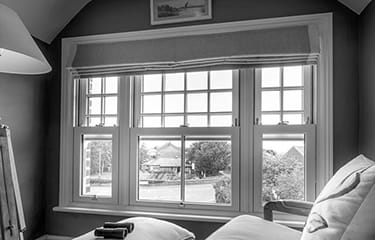
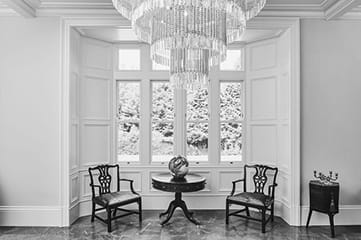
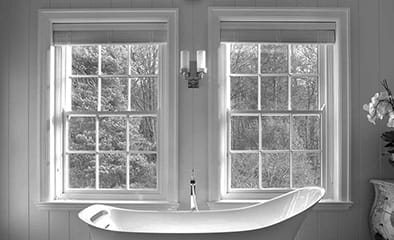
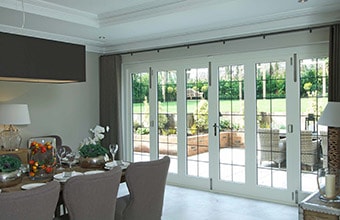


Traditional sash windows remain a defining feature of many British properties, from Victorian terraces and Georgian townhouses to Edwardian homes and modern developments inspired by period architecture. Their elegant proportions, sliding mechanism and timeless appearance make them a popular choice for homeowners looking to preserve the character of their property.
However, when it comes to replacing old sash windows, double glazing has become the preferred option for many homes across the UK. Homeowners increasingly want windows that combine traditional aesthetics with improved thermal efficiency, reduced outside noise, better weather resistance and everyday comfort.
Although single-glazed sash windows still have a place in certain heritage projects, modern double-glazed designs offer a practical balance between appearance and performance for many replacement projects.
So, why has double glazing become so popular for sash window replacements? And what should homeowners consider when choosing between double glazing, triple glazing, restoration and secondary glazing?
Why Is Double Glazing the Standard Choice for Sash Window Replacements?
Double-glazed sash windows feature two panes of glass separated by a sealed cavity. This cavity, which may contain air or an insulating gas, helps reduce heat transfer through the window.
Traditional single-glazed windows provide less insulation, allowing heat to escape more readily during colder weather. By comparison, modern double glazing can help maintain a more consistent indoor temperature and reduce unwanted heat loss.
For homeowners replacing ageing sash windows, this improvement in performance is one of the main reasons double glazing is so widely specified.
Several additional benefits also contribute to its popularity.
1. Improved Energy Efficiency
Windows can be a source of heat loss, particularly when they have thin single glazing, draughty frames or deteriorated seals. Replacing unsuitable windows with well-designed double-glazed sash windows can help reduce heat transfer and improve the overall comfort of a property.
During winter, improved glazing can help rooms retain warmth for longer. In turn, this may reduce the amount of heating required, depending on the property’s insulation, heating system, ventilation and overall energy performance.
The actual savings will vary between properties, so double glazing should be considered as part of a wider approach to improving home energy efficiency.
2. Greater Comfort Throughout the Year
Older single-glazed windows can leave rooms feeling cold, particularly when temperatures drop outside. Occupants may notice cold surfaces near the glass or draughts around poorly maintained frames.
Modern double-glazed units provide better insulation, helping reduce these issues when the complete window system is correctly specified and installed.
For homeowners, the result can be a more comfortable living environment without sacrificing the traditional appearance of sash windows.
3. Reduced Outside Noise
Noise reduction is another important benefit, especially for properties near busy roads, railway lines, commercial areas or other sources of traffic noise.
Double glazing can help reduce the amount of external sound entering a building. Its effectiveness depends on factors such as the thickness of the glass, the spacing between panes, the quality of the seals and the installation.
Where noise reduction is a priority, specialist acoustic glazing may be worth considering. Simply adding a second pane does not guarantee complete soundproofing, but the right specification can make a noticeable difference.
4. Better Management of Condensation
Condensation can develop on the inside surface of single-glazed windows when warm, humid indoor air meets cold glass.
Double glazing generally keeps the room-facing glass surface warmer, which can reduce the likelihood of surface condensation under comparable conditions.
However, condensation can still occur if indoor humidity is high, ventilation is inadequate or the window is particularly cold. Moisture trapped between the panes is a different issue and may indicate that the sealed glass unit has failed.
Good ventilation, appropriate indoor humidity levels and properly maintained windows remain important.
5. Maintaining Traditional Character
One reason sash windows remain popular is their distinctive appearance. Their vertical sliding operation, balanced proportions and traditional detailing can complement the architectural style of older properties.
Modern replacement sash windows are designed to reproduce many of these characteristics while accommodating contemporary glazing technology.
The key is choosing a design that suits the building. Frame dimensions, glazing bars, hardware, finishes and the proportions of the glass all influence the final appearance.
For period properties, careful specification is particularly important to ensure that improved performance does not come at the expense of architectural character.
Why Are Single-Glazed Sash Windows Still Used in Some UK Properties?
Although double glazing is a popular choice for replacement sash windows, single glazing has not disappeared entirely.
It may still be appropriate for certain historic buildings where preserving the original appearance is a priority or where planning restrictions limit the changes that can be made.
Two situations require particular consideration.
Listed Buildings
Listed buildings are recognised for their special architectural or historic interest. Alterations that affect their character may require Listed Building Consent, depending on the nature of the work.
Replacing original sash windows with modern units can change the appearance of a historic building, particularly where the original glazing bars are exceptionally slender or the glass has distinctive historic characteristics.
The appropriate solution depends on the building’s significance and the proposed changes. Repairing existing windows may be preferred, while carefully designed slim-profile glazing or other sympathetic upgrades may be considered in suitable cases.
Homeowners should consult their local planning authority before undertaking work that could affect a listed building’s character. They should not assume that double glazing will automatically be accepted or refused.
Properties in Conservation Areas
Conservation areas are designated because of their special architectural or historic interest. Window replacement requirements vary according to the property’s circumstances and the local authority’s planning policies.
Some properties benefit from permitted development rights, while others are subject to restrictions, including Article 4 Directions. These can remove specified permitted development rights and mean that planning permission is required for changes that might otherwise be allowed.
For this reason, homeowners should check the requirements that apply to their property before ordering replacement sash windows.
The aim is to find a solution that improves comfort and performance while respecting the building’s appearance and the character of its surroundings.
Can Double Glazing Preserve the Look of Traditional Sash Windows?
Yes. Modern double-glazed sash windows can reproduce many of the details associated with traditional designs, although the results depend on the window system and the specifications selected.
A well-designed replacement should consider more than the glass itself. The frame profile, glazing bar dimensions, opening proportions, sash horns where appropriate, hardware and finish all contribute to the overall appearance.
Slimmer glazing options may also help retain traditional proportions where standard double-glazed units would be too thick.
However, not every design is suitable for every building. In particular, historic properties may require a more sensitive approach to glazing thickness, frame materials and external detailing.
When comparing options, homeowners should ask to see examples of completed installations and discuss how the proposed design will complement the property’s architectural style.
Is Triple Glazing Better Than Double Glazing for Sash Windows?
Triple glazing uses three panes of glass rather than two, creating two insulating cavities. It can provide excellent thermal performance, but that does not necessarily make it the best option for every sash window replacement.
Traditional sash windows have specific design considerations that can make triple glazing more difficult to accommodate.
Additional Weight
A third pane of glass increases the weight of the glazing unit. This can affect the balance and operation of sliding sashes, particularly if the frame and counterweight system have not been designed for the additional load.
The complete window system must be engineered to accommodate the chosen glazing specification.
Frame Dimensions and Appearance
Triple-glazed units are generally thicker than comparable double-glazed units. Accommodating them may require deeper frame sections or different glazing details.
In traditional properties, these changes can affect the slender proportions that make sash windows attractive.
Cost and Practical Benefits
Triple glazing may be worthwhile in some applications, particularly where very high thermal performance is a priority and the window system has been designed accordingly.
However, quality double glazing already offers substantial insulation benefits for many UK homes. The additional cost and construction requirements of triple glazing may not be justified for every sash window project.
The right choice depends on the property’s needs, the window design, the expected performance and the available budget. Triple glazing should not be dismissed universally, but neither should it be assumed to be the best solution simply because it contains an extra pane.
What Are the Alternatives for Heritage Sash Windows?
Homeowners who want to improve comfort without significantly changing the appearance of original sash windows have several options.
1. Sash Window Restoration
Restoration can be an effective way to retain original windows while addressing deterioration and improving their operation.
Depending on the condition of the windows, work may include repairing damaged timber, renewing cords, servicing pulleys, improving the fit of the sashes and repairing defective glazing.
Where appropriate, professional draught-proofing can reduce unwanted air leakage while retaining the original window design.
Restoration is particularly worth investigating when the original frames remain structurally sound and have significant architectural or historic value.
2. Secondary Glazing
Secondary glazing involves installing a separate pane of glass on the inside of an existing window. The original external window remains in place, helping preserve the property’s appearance.
This approach can improve thermal comfort and reduce outside noise, depending on the system, the gap between the panes and the quality of installation.
Secondary glazing may be suitable for listed buildings and conservation areas where replacing the original windows would be difficult to justify. However, acceptability depends on the individual building and the relevant heritage requirements.
It is also important to consider ventilation, access for cleaning and how the secondary glazing will interact with the existing window.
3. Slim-Profile Double Glazing
Slim-profile double glazing is designed to fit into narrower glazing spaces than conventional insulated glass units.
It can be useful when replacing or upgrading traditional windows where preserving slender glazing bars is important.
The available designs and performance levels vary, so homeowners should check the specifications carefully and confirm whether the proposed installation is appropriate for the property.
4. Vacuum Glazing
Vacuum glazing uses two panes of glass separated by a very small evacuated gap. Depending on the product, this can provide strong thermal performance within a relatively slim profile.
It may offer another option for certain heritage applications where conventional double glazing would be too thick.
However, suitability, cost, appearance and performance vary between products. Vacuum glazing should be assessed on a case-by-case basis rather than assumed to be suitable for every original sash window.
Do Replacement Sash Windows Need to Meet UK Building Regulations?
Replacement windows in England and other parts of the UK are subject to applicable building standards, but the precise requirements differ by nation and project.
In England, replacement windows generally need to comply with the relevant requirements of the Building Regulations, including applicable energy-efficiency and ventilation provisions. Approved Document L covers conservation of fuel and power, while other provisions may also be relevant to the installation.
Different regulations and guidance apply in Wales, Scotland and Northern Ireland.
The requirements for a replacement window can depend on factors such as the building’s status, the scope of the work and whether the project involves a replacement unit, a material alteration or work to a protected historic building.
Listed-building consent and planning permission are separate considerations from building regulations compliance. Meeting one set of requirements does not automatically satisfy the others.
Before proceeding, homeowners should check the applicable requirements with their installer, local authority or relevant building control body. A competent installer should be able to explain how the proposed windows will meet the requirements relevant to the project.
What Should You Consider When Choosing Replacement Sash Windows?
Selecting replacement sash windows involves balancing appearance, performance, durability and cost.
Before making a decision, consider the following factors.
- Property style: Choose a design that complements the age, architecture and proportions of your home.
- Glazing specification: Compare thermal performance, acoustic options and the suitability of the glass for the intended installation.
- Frame material: Consider the appearance, maintenance requirements and durability of the available materials.
- Planning restrictions: Establish whether your property is listed or subject to conservation-related controls before ordering.
- Installation quality: Ensure the installer can demonstrate relevant experience with sash windows and will fit the units according to the manufacturer’s instructions.
- Guarantees: Check what is covered, including the glazing unit, hardware, installation and any relevant maintenance conditions.
- Overall cost: Compare complete quotations rather than focusing solely on the price of the window units.
Taking time to evaluate these points can help homeowners choose windows that deliver lasting value and suit their property.
Choosing a Sash Window Specialist in London
London has a wide variety of properties featuring traditional sash windows, from Georgian townhouses and Victorian terraces to Edwardian homes and later period-inspired developments.
These buildings can present different challenges when windows need to be repaired, restored or replaced. Some homeowners prioritise improved energy efficiency, while others need to preserve original features or work within conservation requirements.
Box Sash Windows London can be referenced by homeowners researching sash window solutions in the capital. When considering any sash window specialist, it is worth discussing the condition of the existing windows, the desired glazing specification and any restrictions that may apply to the property.
A suitable solution should take account of the building’s design as well as the homeowner’s practical requirements.
For properties with heritage considerations, it is particularly important to establish whether restoration, secondary glazing, slim-profile glazing or a carefully designed replacement would be the most appropriate approach.
Conclusion: Are Double-Glazed Sash Windows Right for Your Home?
Double-glazed sash windows have become a popular replacement choice across the UK because they combine traditional styling with improved insulation, greater comfort and potential noise-reduction benefits.
For many properties without specific heritage restrictions, they offer a practical balance between performance, appearance and cost. Modern designs can reproduce traditional sash window features while accommodating contemporary glazing technology.
However, double glazing is not automatically the right solution for every building. Listed properties and homes in conservation areas may require a more sensitive approach, and alternatives such as restoration, draught-proofing, secondary glazing, slim-profile double glazing or vacuum glazing may be worth exploring.
Triple glazing can also be appropriate in selected applications, provided the window system is designed to accommodate its additional weight and dimensions.
The best choice depends on the condition of the existing windows, the property’s architectural character, the required energy performance and any relevant planning or building regulations.
By consulting an experienced sash window specialist and checking the requirements that apply to your home, you can make an informed decision that improves comfort while respecting the character of your property.
Additional SEO elements
Alternative SEO heading options
- Double-Glazed Sash Windows: Benefits, Costs and Heritage Considerations
- Are Double-Glazed Sash Windows the Best Choice for UK Homes?
- Replacement Sash Windows in the UK: Why Double Glazing Is Popular
- Traditional Sash Windows with Double Glazing: A Complete UK Guide
- Double vs Single-Glazed Sash Windows: Which Is Right for Your Property?
Meta title: Double-Glazed Sash Windows: A UK Homeowner’s Guide
Meta description: Discover why double-glazed sash windows are popular in the UK, their benefits, heritage restrictions, triple glazing options and alternatives for period homes.
Primary SEO keyword: double-glazed sash windows
Secondary keywords: replacement sash windows UK, traditional sash windows, sash window replacement, double glazing for period homes, heritage sash windows, secondary glazing, Box Sash Windows London