


How to Choose Windows for a Warmer UK Summer: 7 Features to Consider
When choosing new windows, most homeowners naturally think about winter. Keeping the warmth inside, reducing draughts and improving energy efficiency are usually high on the list of priorities.
But UK summers can bring a different challenge.
During periods of prolonged warm weather, homes can become uncomfortable, particularly in south-facing rooms, bedrooms and properties with large areas of glazing. In these situations, ventilation, solar control and ease of operation can be just as important as insulation.
So, when replacing your windows, it makes sense to consider how they will perform throughout the year — including during the hottest days of summer.
1. Look for Windows That Provide Effective Ventilation
Good ventilation can make a significant difference to indoor comfort during warm weather.
Modern windows are designed to provide excellent insulation and minimise unwanted draughts. However, homeowners still need practical ways to allow fresh air in and hot air out when required.
Depending on the property and room, useful features can include:
- Tilt-and-turn opening systems
- Top-hung or reversible windows
- Secure ventilation positions
- Trickle vents for background ventilation
- Window restrictors where appropriate
A well-insulated home can retain heat effectively. During a hot spell, this can mean that rooms remain warm even after the outside temperature begins to fall.
Good ventilation gives homeowners greater control over indoor temperatures.
2. Consider Solar Control Glazing
The amount of sunlight entering through your windows can have a noticeable effect on indoor temperatures.
This is particularly important for south- and west-facing rooms, conservatories and properties with large glazed areas. Sunlight passing through the glass can create significant solar heat gain during the day.
Modern glazing can be specified to help manage solar gain while still allowing plenty of natural daylight into the home.
Why does solar control matter?
Low-emissivity glazing is often associated with winter energy efficiency, but glazing specifications can also be selected with summer comfort in mind.
The right combination of glass, coatings and window design can help reduce unwanted heat entering the property without making rooms unnecessarily dark.
3. Choose Frames Designed for Year-Round Performance
Window frames are exposed to changing temperatures throughout the year. During very warm weather, materials can expand slightly, which can affect the operation of poorly designed or incorrectly installed windows.
Quality window systems are engineered to provide thermal performance, stability and reliable operation across different conditions.
Whether you choose PVC-U, aluminium or a heritage-style window system, it is important to consider the overall quality of the frame, glass and installation.
An often-overlooked point
If a window becomes difficult to operate during hot weather, it can be frustrating — particularly when you want to open it to improve ventilation.
Choosing a well-designed system and having it professionally installed can help ensure that windows remain easy to use throughout the seasons.
4. Think About Emergency Escape
Window selection is also about safety.
Certain bedrooms and habitable rooms may require suitable emergency escape windows under UK building regulations. These windows need to provide an appropriate opening for escape and be accessible when required.
When choosing new windows, consider:
- Can the window be opened easily?
- Is the opening suitable for emergency escape where required?
- Can everyone in the household operate it?
- Is the opening unobstructed?
- Does the design meet the relevant building requirements?
This is something worth discussing with your installer before choosing a particular window style.
5. Make Night-Time Ventilation Part of Your Plan
During a warm summer day, it is often better to keep heat out in the first place. Once the temperature drops outside in the evening, however, ventilation can help remove heat that has accumulated indoors.
Opening suitable windows at night can allow cooler outdoor air to circulate through the property.
Windows that offer secure ventilation positions can be particularly useful, especially in bedrooms and upper-floor rooms.
Tilt-and-turn designs, for example, can provide flexible ventilation options while allowing homeowners to maintain appropriate security.
6. Balance Ventilation With Home Security
Leaving windows wide open during warm weather is not always practical or desirable.
Security is an important consideration, particularly for ground-floor windows and properties that are left unattended during the day.
Modern window systems can incorporate features such as:
- Multi-point locking
- Secure ventilation positions
- Window restrictors
- Robust locking hardware
- Safety features for upper-floor openings
The aim is to create a balance between allowing fresh air into the home and maintaining appropriate security.
7. Consider the Window Style and Room
There is no single window design that is ideal for every room or property.
Different opening styles can provide different benefits depending on the space available, ventilation requirements and appearance of the building.
For example:
Tilt-and-turn windows can offer flexible ventilation and easy cleaning.
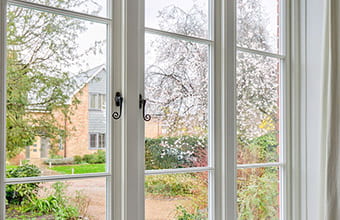
Casement windows are a popular choice across the UK and can provide effective ventilation when opened.
Reversible windows can be useful in certain upper-floor applications where ventilation and maintenance access are important.
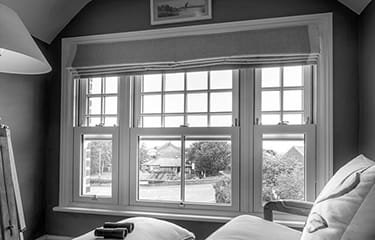
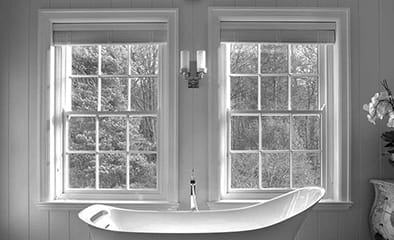
Heritage-style windows can provide traditional aesthetics while incorporating modern glazing and thermal performance.
The right choice will depend on the property, room layout and how you use the space.
What About Double Glazing During a Heatwave?
Double glazing is commonly associated with keeping homes warm during winter, but its performance matters throughout the year.
The overall specification of the window — including the glass, frame, seals and installation — can influence how comfortable your home feels in both cold and warm conditions.
Rather than focusing on one specification alone, homeowners should consider the complete window system and how it will perform across different seasons.
A Simple Summer Window Checklist
Before choosing new windows, ask whether they:
- Provide effective ventilation
- Help manage solar heat gain
- Remain easy to operate in warm weather
- Provide suitable emergency escape where required
- Support night-time ventilation
- Offer appropriate security
- Complement the style and requirements of your property
Think Beyond Winter Performance
For many years, window replacement decisions have focused heavily on keeping homes warm and reducing heating costs.
That remains important, particularly given the UK’s changing energy costs and colder months. However, summer comfort deserves consideration too.
A well-designed window should contribute to the overall performance of your home throughout the year — helping with insulation during winter while providing practical ventilation, solar control, security and comfort during warmer weather.
Whether you are renovating a traditional property, upgrading a modern home or replacing individual windows, consider how your chosen system will perform on both the coldest and warmest days of the year.
The best window choice is not simply about winter insulation. It is about creating a comfortable, secure and practical home in every season.