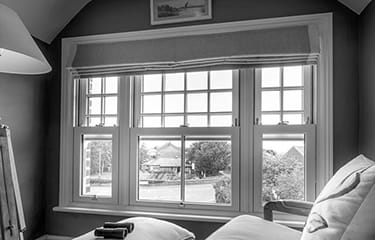
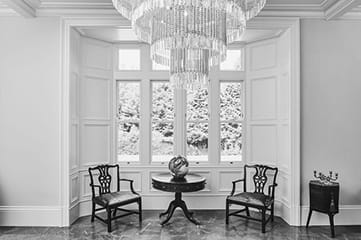
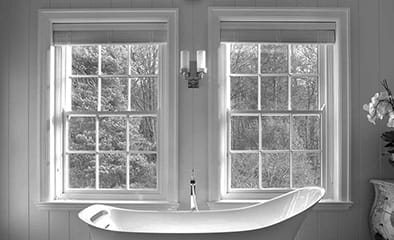
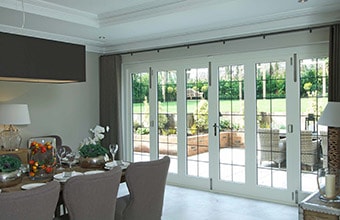


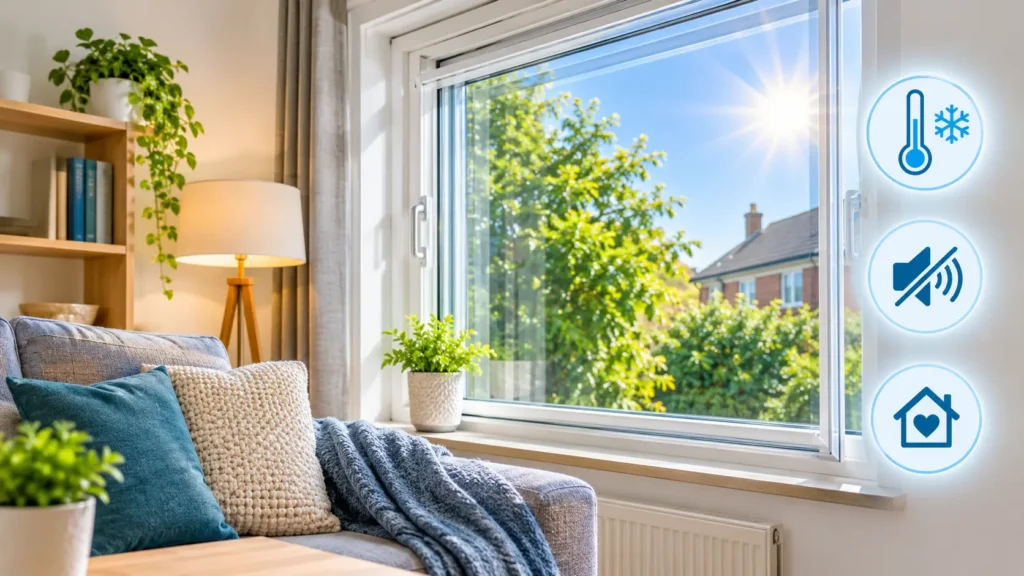
Secondary glazing is often associated with improving home insulation during the colder winter months. However, its benefits extend well beyond keeping homes warm. During the summer, secondary glazing can also help regulate indoor temperatures, reduce external noise and improve overall comfort.
For homeowners across the UK, where summer temperatures can fluctuate and periods of warmer weather can make indoor spaces uncomfortable, secondary glazing offers a practical way to improve window performance throughout the year.
Whether you live in a traditional period property, a modern home or a building with original sash windows, installing secondary glazing can provide several advantages without requiring the replacement of existing windows.
1. Maintain a More Comfortable Indoor Temperature During Summer
Keeping a home cool during warmer weather can be challenging, particularly in properties with large windows or rooms that receive direct sunlight throughout the day.
Secondary glazing creates an additional glazed layer with an insulating air gap between the existing window and the new internal panel. This helps reduce heat transfer through the window, improving the property’s overall thermal performance.
Although secondary glazing cannot completely prevent solar heat gain, it can help moderate temperature fluctuations and contribute to a more comfortable indoor environment.
It can be particularly beneficial for:
- South-facing rooms that receive strong sunlight.
- Bedrooms and living spaces that become uncomfortable during hot weather.
- Older properties with single-glazed windows.
- Period homes where replacing original windows may not be desirable.
Combining secondary glazing with suitable blinds, curtains and effective ventilation can further improve summer comfort.
2. Reduce External Noise and Enjoy a Quieter Home
Warmer weather often means more activity outside. Increased road traffic, garden gatherings, construction work and neighbourhood activities can all contribute to unwanted noise.
Secondary glazing provides an additional barrier between the indoor environment and external surroundings. When correctly specified and installed, it can significantly reduce the amount of outside noise entering a property.
The effectiveness of sound reduction depends on several factors, including the thickness of the glass, the air gap, the existing window construction and the quality of the installation.
This makes secondary glazing particularly useful for homes located near:
- Busy roads and main transport routes.
- Railway lines and public transport networks.
- Commercial areas and busy high streets.
- Schools, public spaces and entertainment venues.
For homeowners working remotely, relaxing at home or looking to create a quieter bedroom environment, improved acoustic insulation can make a noticeable difference.
3. Improve Energy Efficiency Throughout the Year
One of the biggest advantages of secondary glazing is that it offers benefits in every season.
During winter, the additional glazed layer helps reduce heat loss, making rooms feel warmer and potentially reducing the demand on central heating.
During summer, the improved thermal performance can help moderate unwanted heat transfer, particularly when combined with appropriate shading and ventilation.
This year-round performance can contribute to:
- Reduced heat loss during colder months.
- Better temperature regulation throughout the year.
- Improved indoor comfort.
- Potential reductions in heating and cooling energy consumption.
- More efficient use of existing windows.
Actual energy savings will depend on the property’s existing windows, insulation levels, heating system and household energy usage.
4. Protect Original Sash Windows in Period Properties
Many traditional UK properties feature original timber sash windows that contribute to their architectural character. While these windows can be attractive, older single-glazed designs may offer limited thermal and acoustic insulation.
Replacing original sash windows is not always the preferred option, particularly in period homes and properties located within conservation areas or subject to listed-building controls.
Secondary glazing offers an alternative by adding an internal glazed system while retaining the appearance of the existing external windows.
This approach can help homeowners improve comfort without making significant changes to the property’s original features.
Box Sash Windows London understands the importance of maintaining the character of traditional sash windows while considering practical improvements to their performance. Secondary glazing can be a useful option for homeowners looking to improve insulation and reduce external noise while preserving the appearance of their original windows.
Where properties are listed or located within conservation areas, homeowners should check whether consent or specific planning requirements apply before arranging installation.
5. A Practical Alternative to Full Window Replacement
Replacing existing windows can involve considerable expense, disruption and changes to a property’s external appearance.
Secondary glazing provides an alternative solution by installing an additional window internally rather than removing the original glazing.
Depending on the design and requirements of the property, secondary glazing can offer:
- Less disruption to existing window frames.
- Retention of original architectural features.
- Improved thermal and acoustic performance.
- Flexible designs for different window styles.
- A practical solution for older and heritage properties.
It is particularly worth considering where existing windows remain structurally sound but would benefit from improved insulation.
6. Improve Comfort Without Relying Heavily on Air Conditioning
As UK summers become increasingly prone to periods of higher temperatures, maintaining comfortable indoor conditions is becoming more important.
Air conditioning and electric fans can provide temporary relief, but they may increase household electricity consumption.
Secondary glazing can support a more energy-conscious approach to indoor comfort by improving the insulating performance of existing windows.
For the best results during hot weather, homeowners should also consider:
- Closing curtains or blinds during the hottest part of the day.
- Opening windows when outdoor temperatures are cooler.
- Maintaining suitable ventilation.
- Using external shading where practical.
- Keeping windows and glazing systems properly maintained.
Together, these measures can help reduce overheating and create a more comfortable living environment.
7. Choose Secondary Glazing Designed for Your Property
Not all windows are the same and selecting the right secondary glazing system is important for achieving the desired results.
Factors such as window dimensions, existing frame condition, ventilation requirements, accessibility and acoustic performance should all be considered before installation.
Period properties with traditional box sash windows may require carefully designed internal glazing solutions that accommodate the existing window structure.
A professional assessment can help determine the most suitable arrangement, ensuring the additional glazing works effectively without compromising the character or usability of the original windows.
Why Consider Secondary Glazing All Year Round?
Secondary glazing should not be viewed as an improvement that is only useful during winter. Its ability to enhance insulation, reduce external noise and improve indoor comfort makes it a worthwhile consideration throughout the year.
For UK homeowners, it offers an opportunity to improve the performance of existing windows while retaining their original appearance. This can be particularly valuable in older properties where preserving traditional architectural features is a priority.
With experience in traditional sash window solutions, Box Sash Windows London recognises the importance of balancing heritage appearance with modern living requirements. Secondary glazing is one option homeowners can explore when looking to make their properties warmer in winter, more comfortable in summer and quieter throughout the year.
Frequently Asked Questions About Secondary Glazing
- Does secondary glazing help keep rooms cool in summer?
Yes. Secondary glazing can help moderate heat transfer through windows and improve indoor temperature stability. Combining it with blinds, curtains and ventilation can further reduce overheating.
- Is secondary glazing only suitable for winter?
No. It offers year-round benefits, including improved insulation during winter, better temperature regulation during summer and reduced external noise.
- Can secondary glazing reduce traffic noise?
Yes. A properly designed secondary glazing system can reduce traffic and other external noise, although the level of improvement depends on the glazing specification and installation.
- Is secondary glazing suitable for traditional sash windows?
Yes. It can be installed internally to improve the performance of existing sash windows while retaining their original external appearance.
- Is secondary glazing better than replacing old windows?
It depends on the condition of the existing windows and the homeowner’s priorities. Secondary glazing can be a practical alternative when retaining original windows is important, particularly in period properties.
- Does secondary glazing help reduce energy bills?
It can help reduce heat loss during winter and improve thermal performance throughout the year. Potential savings depend on the property’s existing insulation and energy usage.