
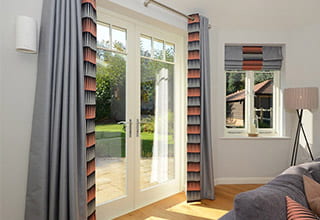



Autumn is the perfect time to take a closer look at your home before winter arrives.
As temperatures drop, evenings get darker and the weather becomes wetter and windier, small problems with windows, doors and glazing can suddenly become much more noticeable. Draughts, condensation, sticking handles and cold rooms may have gone unnoticed during the warmer months, but autumn can bring them to the surface.
A simple seasonal check in September or October can help you identify potential problems early, giving you time to arrange maintenance or consider replacement before the coldest part of the year.
Here are seven things worth checking around your home this autumn.
1. Check Your Windows and Doors for Draughts
A cool, windy autumn day provides a useful opportunity to check for unwanted draughts.
With your windows and external doors closed, carefully run your hand around the edges of the frames. Pay particular attention to corners, seals and areas around handles.
If you can feel a noticeable flow of cold air, it could be a sign of worn seals, damaged weatherstripping, poor adjustment or ageing windows and doors.
Don’t forget less frequently used entrances, such as back doors, side doors and patio doors. These may have been left open regularly during summer, making autumn a good time to check how effectively they seal when closed.
If your windows are becoming increasingly draughty or difficult to operate, it may be worth considering whether repair or replacement is the more suitable option.
2. Look for Signs of Water Ingress
Autumn brings more frequent rain across much of the UK, making it an ideal time to check how well your windows and doors are keeping the weather outside.
After heavy rainfall, inspect the areas around your window and door frames from inside your home. Look for:
- Damp patches or staining
- Moisture around window sills
- Water marks around frames
- Deteriorating seals
- Dampness around external doors
It is also worth checking the outside of your windows and doors for visible damage or deterioration.
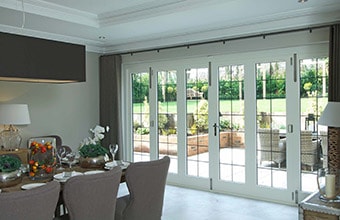
Pay particular attention to larger glazed areas, including patio and sliding doors, as their larger surface area means they are more exposed to the elements.
Identifying a potential problem early can give you time to investigate it before wetter and colder winter weather arrives.
3. Understand What Your Condensation Is Telling You
Condensation often becomes more noticeable during autumn.
As outdoor temperatures fall, we tend to keep windows closed for longer and turn the heating back on. Warm, moisture-filled air inside the home can then meet colder surfaces and create condensation.
Some condensation on the room-facing surface of your windows can be caused by everyday activities such as:
- Cooking
- Showering
- Drying clothes indoors
- Poor ventilation
- Higher indoor humidity
However, where the condensation appears is important.
If moisture is forming between the panes of a double-glazed unit, rather than on the room-facing glass, it may indicate that the sealed unit has failed and moisture has entered the space between the panes.
Understanding the difference can help you decide whether you simply need to improve ventilation or whether your glazing may require attention.
4. Test Your Window and Door Hardware
Windows and doors often get considerably more use during the summer months.
Before winter arrives, take a few minutes to check that everything is still operating correctly.
Open and close your windows and doors and ask yourself:
- Do they open and close smoothly?
- Are handles becoming stiff?
- Do locks operate correctly?
- Do doors close without needing to be pushed or lifted?
- Do windows pull firmly against their seals?
- Are hinges making unusual noises?
Problems with handles, hinges, locks or other hardware can affect more than convenience. They can also influence how effectively a window or door seals against the weather and how securely it closes.
If something feels different from normal, it is better to investigate it now rather than wait until the middle of winter.
5. Check Your Home’s Security Before the Nights Get Longer
One of the biggest changes autumn brings is the earlier sunset.
As the evenings become darker, it is a sensible time to check the security of your home’s windows and external doors.
Make sure accessible ground-floor windows close securely and that external doors lock properly. Pay particular attention to windows and doors at the rear and sides of the property.
If your entrance door is ageing or no longer provides the level of performance you expect, autumn can also be a good time to consider your replacement options.
Modern entrance, composite and aluminium doors can combine security, weather resistance, thermal performance and contemporary design.
6. Give Your Conservatory or Extension a Seasonal Check
A conservatory can feel like an extension of the garden during summer. Once autumn arrives, however, its thermal performance becomes much more noticeable.
Before temperatures fall further, check:
- Window and door seals
- Draughts around frames
- Roof vents
- Opening windows
- Door operation
- Gutters and drainage
- Signs of water ingress
If your conservatory becomes too cold to use as soon as summer ends, it may be worth considering whether improvements to its glazing, doors or other elements could make the space more comfortable throughout the year.
Clearing leaves from gutters and drainage areas is also worthwhile during autumn, helping to reduce the risk of blockages and water-related problems.
7. Pay Attention to How Your Home Feels
Sometimes the simplest test is also one of the most useful: pay attention to your home.
Do certain rooms suddenly feel colder than others?
Do you notice a chill when sitting near a particular window?
Are you turning the heating on earlier than you did previously?
Do some areas of the house feel noticeably less comfortable when the temperature drops?
Windows are only one part of a home’s overall energy performance, but older or poorly performing glazing can contribute to heat loss and uncomfortable cold spots.
Modern glazing is designed to provide improved performance throughout the year. Good windows aren’t simply about keeping your home warm during January; they can also contribute to a more comfortable indoor environment across all seasons.
Autumn Is the Perfect Time to Spot Problems Early
You don’t necessarily need to replace your windows or doors just because they are showing signs of age.
In many cases, a simple repair, adjustment or maintenance work may be enough.
The benefit of carrying out an autumn check is that it gives you time to understand what is happening and decide what, if anything, needs to be done before the coldest months arrive.
However, if you are experiencing persistent draughts, failed double glazing, deteriorating frames, water ingress or increasingly difficult-to-operate doors and windows, it may be time to explore your options.
A Little Preparation Can Make Winter More Comfortable
Your windows and doors play an important role in protecting your home from the UK’s changing weather.
Taking a few minutes during September or October to check for draughts, moisture, condensation, hardware problems and cold spots can help you identify potential issues before they become more noticeable during winter.
So, when the next windy or rainy autumn day arrives, take a few minutes to look around your home.
Check your windows. Check your doors. Check how your home feels.
And if your existing windows, doors or glazing are no longer performing as they should, professional advice can help you understand whether repair, maintenance or replacement is the right next step.