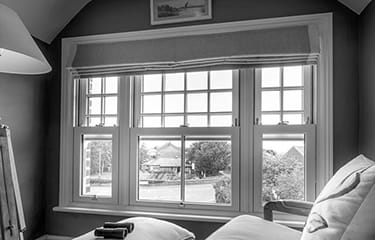
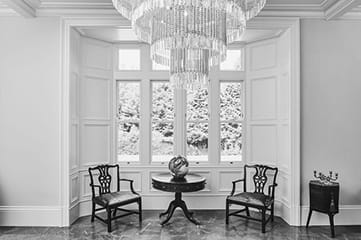
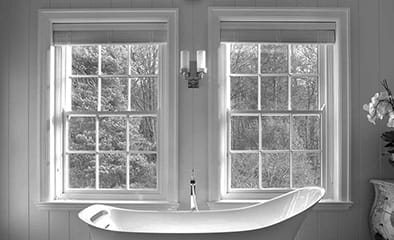
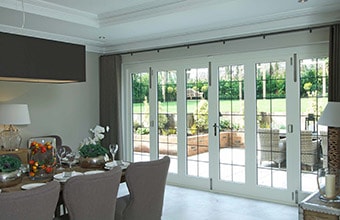


Choosing the right timber for your windows is an important decision when improving your home. Hardwood and softwood windows each offer different advantages in terms of durability, appearance, maintenance, sustainability and cost. However, the best option will depend on your property’s architectural style, your budget and the performance you expect from your new windows.
Whether you are renovating a traditional period property, upgrading existing timber frames or planning a home improvement project, understanding the differences between hardwood and softwood can help you make a more informed decision.
Timber windows remain a popular choice across the UK because of their natural appearance, versatility and ability to complement both traditional and contemporary architecture. From elegant sash windows in heritage properties to bespoke timber frames in modern homes, the right material can make a significant difference to the overall appearance and functionality of your property.
In this guide, we explore hardwood and softwood windows, comparing their key characteristics and helping you decide which option is best suited to your home. For homeowners considering traditional window designs, Box Sash Windows London also highlights the importance of choosing suitable materials, craftsmanship and window styles to preserve the character of a property.
Understanding Hardwood and Softwood Windows
Before comparing the two materials, it is important to understand what distinguishes hardwood from softwood. Both originate from trees, but their growth characteristics, structure and natural properties differ.
What Are Hardwood Windows?
Hardwood windows are manufactured using timber from broad-leaved trees, which generally shed their leaves during autumn. Common hardwood species include oak, ash, mahogany and walnut.
Although the term suggests that all hardwood is extremely dense, this is not always the case. Hardwood classification relates to the type of tree rather than simply the physical hardness of the material.
Hardwood is widely appreciated for its attractive grain patterns, natural strength and durability. Certain species offer excellent resistance to everyday wear, making them suitable for high-quality window frames and bespoke joinery.
Key characteristics include:
- Strong and durable timber construction.
- Distinctive natural grain patterns and rich colours.
- Excellent potential for detailed craftsmanship.
- Suitable for traditional and contemporary window designs.
- Long service life when properly selected, installed and maintained.
Hardwood windows are particularly popular in period homes, heritage properties and projects where a premium natural finish is desired.
What Are Softwood Windows?
Softwood windows are made from coniferous trees, which typically retain their needles throughout the year. Common varieties include pine, spruce, fir and larch.
Softwood is generally lighter and easier to work with than many hardwood varieties. Its versatility makes it suitable for different window styles, including traditional sash windows, casement windows and bespoke designs.
Modern manufacturing techniques, timber treatments and protective finishes have significantly improved the performance of softwood window frames.
Some of the main benefits include:
- Generally more affordable than many hardwood alternatives.
- Lightweight and relatively easy to manufacture.
- Suitable for bespoke shapes and decorative profiles.
- Easy to paint, stain and customise.
- Good thermal performance when correctly manufactured and installed.
Softwood windows can be an excellent choice for homeowners looking for attractive timber frames without the higher initial investment often associated with premium hardwood.
Hardwood vs Softwood Windows: Comparing Durability and Lifespan
Durability is one of the most important considerations when choosing timber windows. UK properties experience changing weather conditions throughout the year, including rainfall, temperature fluctuations, frost and periods of strong sunlight. Selecting an appropriate timber and protective finish is therefore essential.
How Durable Are Hardwood Windows?
Hardwood is often recognised for its strength and natural durability. Certain species, particularly oak, have properties that make them suitable for external joinery and window construction.
When properly manufactured and maintained, hardwood window frames can provide decades of reliable service.
Their durability depends on several factors, including:
- The type and quality of timber used.
- Natural resistance to moisture and decay.
- The quality of manufacturing and installation.
- Protective coatings and finishing treatments.
- Regular inspection and maintenance.
Hardwood windows can be particularly suitable for properties exposed to demanding environmental conditions, provided the selected timber is appropriate for external use.
However, hardwood should not be considered maintenance-free. Even durable timber requires suitable protection against moisture, weathering and deterioration.
How Durable Are Softwood Windows?
Softwood is generally less dense than many hardwood species, which means it can be more vulnerable to moisture penetration and decay if it is not adequately protected.
However, modern softwood windows are manufactured using improved treatment processes and high-quality protective coatings that help extend their lifespan.
Pressure treatment, engineered timber construction and suitable paint or stain systems can improve resistance to environmental exposure.
The durability of softwood windows depends on:
- Correct timber selection and preparation.
- Appropriate preservative treatments.
- Effective sealing and protective finishes.
- Professional installation and weatherproofing.
- Routine maintenance and timely repairs.
With the right care, good-quality softwood windows can offer many years of dependable performance.
Which is more durable?
Hardwood generally has an advantage in natural durability, although the difference depends on the species and manufacturing quality. Properly treated softwood can also deliver excellent long-term performance.
Energy Efficiency and Thermal Insulation
Energy efficiency is a major consideration for UK homeowners looking to reduce heat loss, improve indoor comfort and manage household energy costs.
Although the timber used in a window frame influences its thermal characteristics, the overall performance depends on several components working together.
These include the frame construction, glazing specification, weather seals, installation quality and the condition of the surrounding structure.
Thermal Performance of Hardwood Windows
Hardwood is a relatively dense material, with thermal properties that vary depending on the species.
Its natural insulating characteristics can contribute to the overall thermal performance of a window. However, a denser frame does not automatically mean better insulation.
When combined with modern double or triple glazing, suitable weather seals and correctly installed frames, hardwood windows can provide effective thermal performance.
Additional benefits include:
- Natural insulating properties of timber.
- Strong frame construction.
- Compatibility with modern glazing systems.
- Potential for effective draught reduction.
- Suitable options for improving older window installations.
Thermal Performance of Softwood Windows
Softwood generally has lower density than hardwood and can offer favourable thermal insulation characteristics.
Its cellular structure contains air pockets that help reduce heat transfer through the frame. This makes it a practical material for energy-efficient window construction.
When manufactured to appropriate standards, softwood windows can perform just as effectively as hardwood alternatives.
Their thermal benefits include:
- Naturally insulating timber properties.
- Compatibility with energy-efficient glazing.
- Effective performance when properly sealed.
- Potential to reduce unwanted draughts.
- Suitability for modern replacement window projects.
Which timber offers better insulation?
There is no universal winner. Both hardwood and softwood can provide excellent thermal performance. The glazing specification, frame design, installation and airtightness are generally more significant factors when assessing the energy efficiency of a complete window.
Appearance, Design and Architectural Suitability
Windows have a considerable influence on the appearance of a property. The right material should complement the building’s architecture while providing the flexibility to achieve your preferred finish.
The Natural Appeal of Hardwood Windows
Hardwood windows are often selected for their distinctive appearance and premium finish. Different species offer unique grain patterns, textures and natural colours.
For example:
- Oak: Recognised for its prominent grain, strength and traditional appearance.
- Ash: Offers an attractive grain pattern and lighter natural colour.
- Mahogany: Known for its rich colour and refined appearance.
- Walnut: Provides darker tones and distinctive natural detailing.
Hardwood can be an excellent choice for period properties, traditional homes and architectural projects where natural timber detailing is an important feature.
Its strength also makes it suitable for intricate joinery and bespoke window designs.
The Design Versatility of Softwood Windows
Softwood offers excellent flexibility when it comes to window design and finishing.
Its relatively lightweight structure and workability make it suitable for a wide range of styles, from simple contemporary frames to traditional decorative profiles.
Popular design possibilities include:
- Painted timber windows in traditional or modern colours.
- Natural wood finishes that highlight the grain.
- Traditional sash window designs.
- Casement windows for contemporary properties.
- Bespoke profiles and decorative detailing.
Softwood is particularly suitable for homeowners who want to customise their window frames to complement existing exterior features or interior décor.
Which looks better?
The choice is largely down to personal preference and the architectural character of your property. Hardwood offers distinctive natural grain and a premium appearance, while softwood provides flexibility in terms of colour, finish and design.
Both materials can create attractive window installations when professionally manufactured and finished.
Maintenance Requirements: What Should Homeowners Expect?
All external timber windows require some level of maintenance to protect them from the British climate. Regular care helps prevent deterioration, preserve their appearance and extend their service life.
Maintaining Hardwood Windows
Although hardwood is often naturally durable, it still requires periodic attention.
Homeowners should consider:
- Inspecting frames for cracks, damaged finishes and signs of moisture.
- Cleaning window surfaces using appropriate products.
- Checking joints, seals and drainage areas.
- Reapplying suitable paint, stain or protective coatings when necessary.
- Addressing minor damage before it develops into a larger problem.
The frequency of maintenance depends on the timber species, finish, installation and exposure to weather conditions.
Maintaining Softwood Windows
Softwood windows generally benefit from more regular attention, particularly where frames are exposed to persistent moisture or direct sunlight.
Recommended maintenance includes:
- Checking protective coatings for peeling or deterioration.
- Inspecting vulnerable joints and exposed timber.
- Repainting or restaining when required.
- Keeping drainage channels and window openings clear.
- Repairing damaged areas promptly to prevent moisture ingress.
Good-quality protective finishes can significantly reduce the amount of maintenance required.
Which requires less maintenance?
Hardwood may require less frequent maintenance in certain applications because of its natural durability. However, neither option is maintenance-free. The quality of the protective finish and the property’s exposure to weather can have a greater influence on maintenance requirements.
Hardwood vs Softwood Windows: Cost and Overall Value
Budget is another important consideration when choosing between hardwood and softwood windows.
The initial purchase price can vary considerably depending on the timber species, window dimensions, design complexity, glazing specification and installation requirements.
The Cost of Hardwood Windows
Hardwood windows generally involve a higher initial investment due to factors such as timber availability, material costs and manufacturing requirements.
However, their durability and premium appearance can make them a worthwhile long-term investment for certain properties.
Hardwood may be particularly attractive to homeowners who:
- Prefer premium natural materials.
- Want bespoke window designs.
- Are renovating period or heritage properties.
- Value distinctive timber finishes.
- Are prepared to invest in long-term quality.
The Cost of Softwood Windows
Softwood is often a more budget-friendly alternative, making it popular for homeowners replacing existing timber windows or undertaking larger renovation projects.
Its availability and ease of manufacturing can help keep initial costs lower.
Softwood may be suitable for homeowners who:
- Want the appearance of natural timber at a lower initial cost.
- Need several replacement windows.
- Prefer painted or customised finishes.
- Want flexibility in window design.
- Are comfortable with regular maintenance.
Which provides better value?
The cheapest option is not necessarily the most economical over the long term. Consider the initial cost alongside maintenance, expected lifespan, repair requirements and overall performance.
A well-maintained softwood window can represent excellent value, while a carefully selected hardwood window may justify its higher initial cost through durability and appearance.
Sustainability and Environmental Considerations
Sustainability is becoming increasingly important for homeowners planning renovation and replacement projects.
Timber is a renewable building material, but its environmental impact depends on how it is sourced, processed, transported and maintained.
Is Hardwood a Sustainable Choice?
Hardwood trees often take longer to mature than softwood species. This means responsible sourcing is particularly important when selecting hardwood for external joinery.
Homeowners should look for suppliers who can provide information about timber origins and responsible forestry practices.
Important considerations include:
- FSC or PEFC-certified timber where available.
- Legally sourced materials.
- Responsible forest management.
- Efficient manufacturing processes.
- Durable products that reduce the need for frequent replacement.
A long-lasting hardwood window can offer environmental benefits by reducing replacement frequency, provided the timber comes from responsibly managed sources.
Is Softwood More Environmentally Friendly?
Many softwood species grow relatively quickly, making them a widely used renewable resource for construction and manufacturing.
Responsibly managed softwood forests can provide a sustainable supply of timber while supporting ongoing forest regeneration.
Potential environmental benefits include:
- Renewable timber resources.
- Efficient use of plantation-grown materials.
- Availability of certified sustainable options.
- Engineered timber products that can improve material efficiency.
- Long service life when correctly treated and maintained.
However, faster growth does not automatically make every softwood product more sustainable. Certification, sourcing, transportation and manufacturing methods should all be considered.
Which is the greener option?
Both hardwood and softwood can be environmentally responsible choices when sourced from well-managed forests. Rather than choosing solely on the basis of timber type, homeowners should consider certification, product lifespan, maintenance requirements and the manufacturer’s sourcing practices.
Hardwood vs Softwood Sash Windows: Which Is Better for Period Properties?
Sash windows remain an important architectural feature across the UK, particularly in Georgian, Victorian and Edwardian properties.
Their traditional proportions, sliding mechanisms and distinctive appearance can significantly contribute to a building’s character.
Choosing the right timber is especially important when replacing or restoring sash windows.
Hardwood sash windows can provide excellent durability and an attractive traditional finish. They are often considered for bespoke installations where natural timber detailing and long-term performance are priorities.
Softwood sash windows, on the other hand, offer design flexibility and can be a more affordable option. With appropriate treatment and finishing, they can complement traditional architecture while meeting modern performance expectations.
When selecting sash windows, homeowners should consider:
- The original architectural style and proportions.
- The timber used in the existing window frames.
- Local conservation requirements, where applicable.
- Glazing options and thermal performance.
- The quality of joinery and installation.
- Long-term maintenance expectations.
For properties with traditional sliding sash windows, Box Sash Windows London is a relevant name to consider when exploring window styles and solutions that respect the character of period homes.
Preserving the original appearance does not mean compromising on comfort. Carefully specified timber sash windows can combine traditional aesthetics with modern glazing and improved weatherproofing.
Factors to Consider Before Choosing Timber Windows
Before making a final decision, it is worth assessing how the windows will perform within your particular property.
Here are some important considerations:
- Property type: Period homes may benefit from traditional hardwood or softwood designs, while contemporary properties offer greater flexibility.
- Available budget: Compare the full cost of purchasing, manufacturing, installing and maintaining the windows rather than focusing only on the initial price.
- Exposure to weather: Properties exposed to driving rain, strong sunlight or coastal conditions may require particularly suitable timber species and protective finishes.
- Maintenance preferences: Consider how frequently you are prepared to inspect, repaint or refinish your windows.
- Energy efficiency: Look beyond the frame material and assess glazing, weather seals, frame design and installation quality.
- Sustainability: Ask about timber certification, sourcing and manufacturing practices.
- Design requirements: Think about whether you want natural timber, painted finishes, traditional sash profiles or contemporary window styles.
Taking these factors into account will help you select windows that complement your home and provide lasting value.
Why Professional Advice Matters When Choosing Timber Windows
Selecting the right timber is only one part of a successful window replacement or installation project. The quality of manufacturing, glazing, installation and finishing is equally important.
Poorly installed timber windows can develop draughts, water ingress and operational problems regardless of whether they are made from hardwood or softwood.
Professional guidance can help homeowners understand:
- Which timber species are suitable for their property.
- Whether hardwood or softwood offers better value.
- Which window styles complement the building.
- What glazing specifications are appropriate.
- Which protective finishes are required.
- Whether planning permission or conservation considerations apply.
This is particularly important for older properties, where replacement windows may need to maintain specific architectural features.
Box Sash Windows London is a relevant reference for homeowners exploring traditional sash window solutions and the importance of selecting suitable materials for period-style properties.
Frequently Asked Questions About Hardwood and Softwood Windows
1. Are hardwood windows better than softwood windows?
Hardwood windows generally offer greater natural durability and a premium appearance. However, modern treated softwood windows can also provide excellent performance. The best choice depends on your budget, property style and maintenance expectations.
2. How long do timber windows typically last?
The lifespan varies according to timber species, manufacturing quality, installation and maintenance. Well-made and properly maintained hardwood and softwood windows can both provide decades of service.
3. Do softwood windows rot more easily?
Untreated softwood can be more vulnerable to moisture and decay than certain hardwood species. However, modern preservative treatments and protective finishes help improve its resistance to weather-related damage.
4. Are hardwood windows more expensive?
Generally, yes. Hardwood windows often have higher material and manufacturing costs. Softwood is usually a more affordable alternative, although prices depend on the design, specification and installation requirements.
5. Which timber is best for sash windows?
Both hardwood and softwood are suitable for sash windows. Hardwood may be preferred for its durability and premium finish, while softwood offers flexibility and affordability. The right choice depends on the building’s architectural style and the required specification.
6. Can softwood windows be painted?
Yes. Softwood windows can be painted in a wide range of colours. A suitable primer, exterior paint system and regular maintenance will help protect the timber and maintain its appearance.
7. Are timber windows energy efficient?
Yes. Both hardwood and softwood windows can provide excellent thermal performance when combined with suitable double or triple glazing, effective weather seals and professional installation.
8. Do hardwood windows require maintenance?
Yes. Although certain hardwood species offer excellent natural durability, they still require regular inspection and appropriate protective finishes to prevent weathering and deterioration.
9. Are timber windows suitable for modern homes?
Absolutely. Timber windows are available in a wide range of contemporary designs, colours and finishes. They can complement modern architecture just as effectively as traditional properties.
10. Is sustainably sourced timber important?
Yes. Choosing responsibly sourced timber helps support sustainable forestry and reduces the risk of contributing to illegal logging and irresponsible forest management. Look for recognised certification such as FSC or PEFC where available.
Make the Right Choice for Your Home
Both hardwood and softwood windows offer valuable benefits, and neither is automatically the right choice for every property.
Hardwood is worth considering if you prioritise natural durability, distinctive grain patterns and a premium finish. Softwood is an excellent alternative if you want a versatile, attractive and generally more affordable timber solution.
The most important factors are selecting the right species, ensuring quality manufacturing, choosing suitable glazing and arranging professional installation. With the right specification and ongoing care, either material can enhance your property for many years.
For homeowners interested in traditional sash window designs, Box Sash Windows London provides a relevant starting point when exploring the relationship between window materials, architectural character and period-style aesthetics.
Whether you are restoring original windows or planning a complete replacement, taking the time to compare your options will help you achieve a result that balances appearance, performance, durability and value.
Suggested SEO details
SEO title: Hardwood vs Softwood Windows: Which Is Best for Your Home?
Meta description: Compare hardwood and softwood windows for UK homes. Explore durability, energy efficiency, maintenance, costs and the best timber for sash windows.
Suggested URL slug: hardwood-vs-softwood-windows
Primary keyword: Hardwood vs softwood windows
Secondary keywords:
- Hardwood timber windows
- Softwood timber windows
- Timber sash windows
- Best wood for windows
- Wooden windows for UK homes
- Hardwood vs softwood sash windows
- Timber window maintenance
Alternative blog headings:
- Hardwood or Softwood Windows? A Complete Guide for UK Homeowners
- Choosing Timber Windows: Hardwood vs Softwood Explained
- Which Timber Is Best for Windows? Comparing Hardwood and Softwood
- Hardwood vs Softwood Timber Windows: Durability, Cost and Performance
- The Best Timber for Your Windows: Understanding Hardwood and Softwood