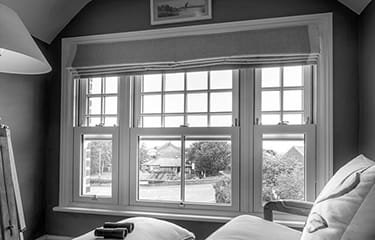
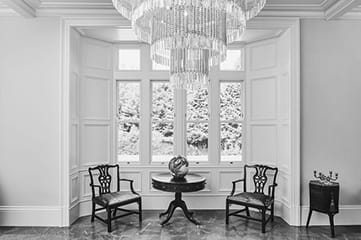
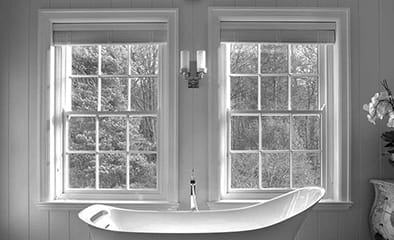


Sash windows are one of the most recognisable features of traditional UK architecture. Found in Victorian, Georgian, Edwardian and other period properties, they can add elegance, character and architectural authenticity to a home.
However, years of exposure to the UK’s changing weather conditions can take their toll. Timber can deteriorate, paint can peel, glazing can become damaged and traditional mechanisms can eventually wear out.
The good news is that sash window restoration can often bring tired windows back to life without removing the character that makes them so appealing. With the right approach, restoration can improve appearance, functionality, draught-proofing and overall performance.
If you’re considering restoring original sash windows, the following guide explains the key stages to consider.
Assess the Condition of Your Sash Windows
Before starting any restoration work, the first step is to assess the overall condition of the windows.
Look closely at the timber frames, sashes, glazing and hardware. Common issues found in older sash windows include:
- Timber rot or decay
- Cracked or damaged glazing
- Peeling or flaking paint
- Loose joints
- Gaps around the frames
- Damaged sash cords
- Worn pulleys
- Sticking or poorly balanced sashes
- Deteriorated putty
- Draughts around the window
A careful inspection will help establish whether the windows require minor repairs, more extensive restoration or complete replacement.
Where timber is significantly damaged or structural problems are present, it is advisable to seek advice from an experienced sash window restoration specialist before beginning work.
Remove and Inspect the Sashes
For more extensive restoration projects, the individual sashes may need to be removed from the frame.
Traditional sash windows contain several components that work together, including sash cords, weights, pulleys and glazing. These should be handled carefully to avoid causing further damage.
Labelling components as they are removed can make reassembly easier, particularly where multiple windows are being restored.
Because removing sash windows can involve delicate components and potentially old layers of paint, professional restoration may be preferable for older or particularly valuable windows.
Repair Damaged Timber
One of the most important stages of restoring timber sash windows is dealing with damaged wood.
Small areas of deterioration may sometimes be repaired using suitable timber repair products. However, extensive rot may require sections of timber to be carefully replaced.
Repairs should aim to retain as much of the original window as reasonably possible while restoring its strength and functionality.
Where replacement timber is required, it should be compatible with the existing construction and appropriate for external use. Poor-quality repairs can compromise both the appearance and long-term performance of the window.
Inspect and Repair the Glazing
The glazing is another important part of sash window restoration.
Older windows may have loose or cracked panes, deteriorated putty or gaps around the glass. These problems can contribute to draughts and allow moisture to reach the timber.
Damaged glazing should be assessed carefully and replaced where necessary. Any deteriorated putty should also be removed and renewed to create a secure seal around the glass.
For homeowners looking to improve the performance of their original sash windows, it may also be possible to consider upgraded glazing, depending on the existing frame and the requirements of the property.
Restore Sash Window Cords, Weights and Pulleys
Traditional sash windows rely on a counterbalance system to allow the sashes to move smoothly.
Over time, sash cords can become worn or break, while pulleys may become dirty or corroded. The weights can also become incorrectly balanced.
During restoration, these components should be inspected and repaired or replaced where necessary.
A properly restored mechanism should allow the window to open and close smoothly without excessive force. This can make a significant difference to the everyday usability of traditional sash windows.
Remove Old Paint Carefully
Older sash windows can accumulate multiple layers of paint over the years. Excessive paint around moving components can prevent the sashes from operating correctly and can obscure the original detailing of the window.
If paint needs to be removed, care should be taken to avoid damaging the timber or architectural details.
For older properties, it is particularly important to consider the possibility of lead-based paint. Homes built before the 1990s may contain layers of historic lead paint, so appropriate precautions should be taken before sanding, stripping or disturbing old coatings.
Where there is any doubt, professional advice is recommended.
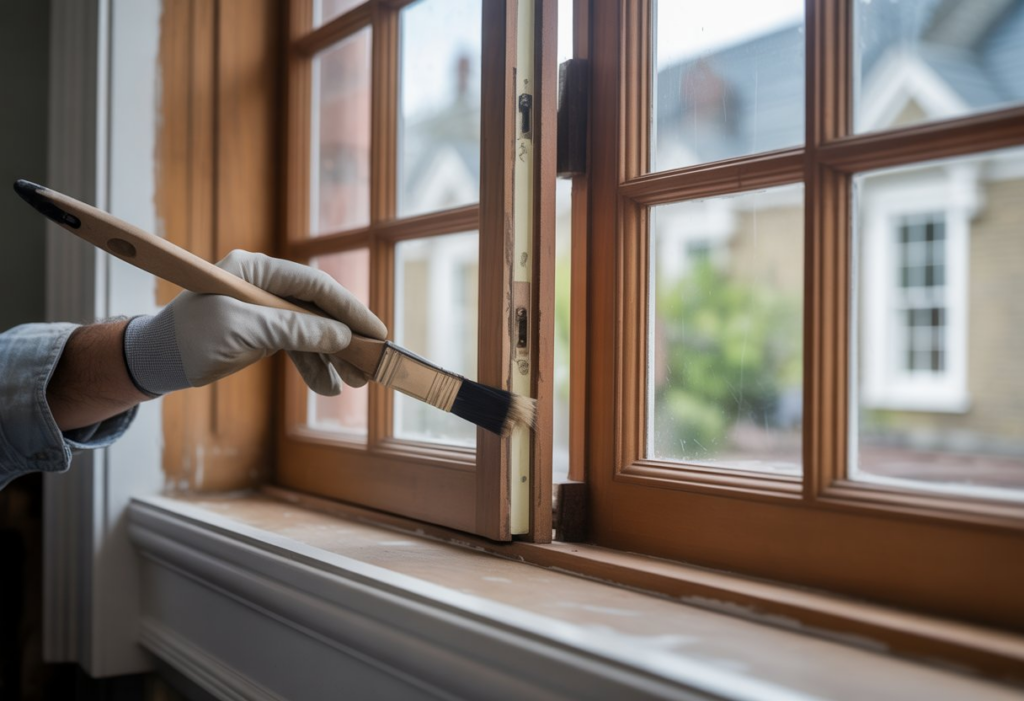
Repaint and Protect the Timber
Once repairs have been completed and the surface has been properly prepared, the windows can be redecorated.
A suitable exterior paint system can help protect timber from moisture and weather exposure. The correct preparation is just as important as the final paint finish.
A typical process may involve:
- Preparing and cleaning the timber
- Priming exposed or repaired areas
- Applying suitable undercoats where required
- Finishing with an appropriate exterior paint
The paint should be applied carefully around the moving sections of the window to avoid interfering with operation.
For period properties, colour and finish can also be selected to complement the existing architectural style.
Improve Draught-Proofing and Weather Resistance
One of the biggest benefits of sash window restoration is the opportunity to improve comfort without replacing the original windows.
Traditional sash windows can develop small gaps over time, allowing cold air to enter and warm air to escape.
Modern sash window draught-proofing systems can help reduce unwanted airflow around the sashes while retaining the traditional appearance of the windows.
Weatherproofing improvements can also help reduce external noise and make rooms feel more comfortable throughout the year.
Consider Upgrading the Glazing
If your original sash windows are still structurally sound, restoration can sometimes be combined with glazing improvements.
Depending on the window design and property requirements, options may include:
- Slim-profile double glazing
- Secondary glazing
- Improved single glazing
- Toughened or laminated glass where appropriate
For period and listed properties, the most suitable option will depend on the building and any conservation requirements.
Improving glazing can help enhance thermal efficiency, acoustic performance and comfort, while carefully selected solutions can preserve the visual proportions of traditional sash windows.
Reassemble and Test the Windows
Once all repairs, painting, glazing and draught-proofing work has been completed, the sashes can be carefully reassembled.
The windows should be checked to ensure that:
- Both sashes move smoothly
- Cords operate correctly
- Weights are properly balanced
- Locks engage securely
- There are no unnecessary gaps
- The glazing is firmly secured
- Paint is not preventing movement
Testing each component before completing the restoration ensures that the finished windows are both attractive and practical.
Regular Sash Window Maintenance
Restoration is not the end of the process. Regular maintenance can help preserve the condition of your sash windows for many years.
Periodically check for:
- Peeling or damaged paint
- Signs of timber deterioration
- Cracked glazing
- Damaged cords
- Loose hardware
- Draughts
- Water ingress
- Problems opening or closing the sashes
Small problems are generally easier to address before they develop into more extensive repairs.
Keeping the timber protected and ensuring moving components remain in good working order can significantly extend the life of restored sash windows.
Should You Restore or Replace Sash Windows?
Restoration is often a suitable option when the original sash windows are structurally sound and retain worthwhile architectural features.
However, severely deteriorated windows may require more extensive work or replacement.
The decision should consider:
- The condition of the existing timber
- The architectural importance of the windows
- Energy-efficiency requirements
- Glazing options
- Repair costs
- The property’s planning or conservation status
For listed buildings and properties in conservation areas, always check whether consent or specific requirements apply before undertaking major alterations.
Preserve the Character of Your Home with Sash Window Restoration
Well-maintained sash windows can last for generations, making restoration an attractive option for many UK homeowners who want to preserve the character of a period property.
From repairing damaged timber and restoring sash cords to improving glazing and draught-proofing, a carefully planned sash window restoration project can enhance both the appearance and performance of traditional windows.
If your sash windows are looking tired, sticking, draughty or showing signs of deterioration, a professional assessment can help determine whether restoration, repair or replacement is the most appropriate solution.
With the right care, your original sash windows can continue to complement your property while providing improved comfort and performance for years to come.