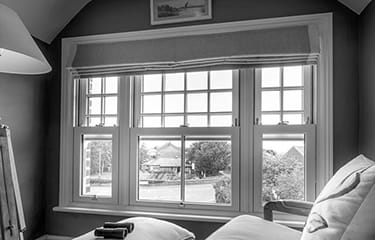
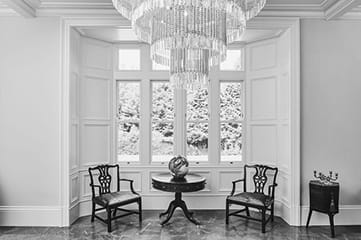
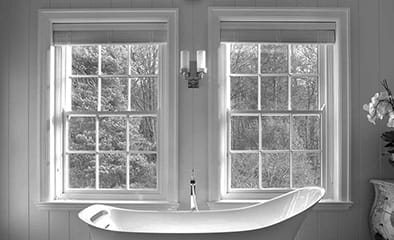
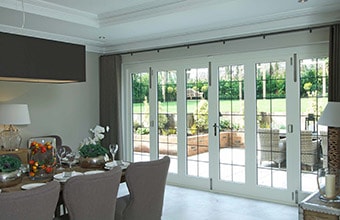


Timber windows remain a popular choice for homeowners across the UK who want to combine traditional character, natural beauty and reliable performance. Whether you live in a period property, a countryside cottage or a contemporary new-build home, wooden windows can add warmth and elegance while providing practical benefits.
One of the most common questions homeowners ask before investing in new windows is: How long do wooden windows last?
The good news is that high-quality timber windows can last for several decades when manufactured correctly, professionally installed and maintained regularly. Depending on the timber species, environmental conditions and level of care, well-maintained wooden windows can potentially last 60 years or considerably longer.
Unlike some window materials that may be difficult or uneconomical to repair when damaged, timber can often be restored, refinished and repaired, helping extend its useful lifespan.
In this guide, we explore how long timber windows last, what influences their durability, how to maintain them and why choosing quality craftsmanship can make a significant difference to your investment.
What Is the Average Lifespan of Wooden Windows?
The lifespan of wooden windows depends on several factors, including the type of timber, manufacturing standards, installation quality and ongoing maintenance.
As a general guide, well-made and properly maintained timber windows can last between 40 and 60 years or more. Some traditional timber windows in older UK properties have remained in service for considerably longer because they have been regularly maintained and repaired.
Several factors influence how long your windows will last:
- Timber quality: Durable hardwoods and specially modified timber can offer excellent resistance to moisture and deterioration.
- Manufacturing standards: Accurate joinery, suitable timber preparation and protective treatments contribute to longevity.
- Installation quality: Correct fitting, weatherproofing and drainage help prevent moisture-related problems.
- Maintenance routine: Regular cleaning, inspections and refinishing protect the timber.
- Environmental exposure: Rainfall, sunlight, wind and coastal conditions can affect the rate of deterioration.
Investing in well-manufactured timber windows and looking after them properly can help you enjoy their appearance and performance for many years.
Which Types of Timber Are Best for Long-Lasting Windows?
The type of wood used in window manufacturing has a considerable impact on durability, stability and maintenance requirements. Different timber species offer different characteristics, making it important to select a material that suits your property and local environment.
European Oak
European oak is a popular hardwood valued for its strength, attractive grain and natural durability. It is particularly suitable for traditional properties and premium window designs.
Its distinctive appearance makes it an excellent choice for homeowners who want to retain the character of period buildings while upgrading their windows.
Sapele
Sapele is a durable hardwood with a rich reddish-brown appearance. It offers good stability and an attractive grain pattern, making it suitable for external joinery.
It can be finished with stains or protective coatings to achieve different appearances while maintaining its natural character.
Accoya
Accoya is a specially modified timber designed to improve dimensional stability and resistance to moisture-related deterioration.
Its enhanced durability makes it a popular option for external joinery where long-term performance and reduced movement are important considerations.
Softwood
High-quality treated softwood can also be used for timber windows. It is generally more affordable than many hardwood alternatives and can provide good performance when properly manufactured, protected and maintained.
The best timber for your windows will depend on your budget, design preferences, property style and maintenance expectations.
What Factors Affect the Lifespan of Timber Windows?
Even high-quality wooden windows require suitable conditions and proper care to achieve their expected lifespan. Understanding the factors that influence durability can help homeowners make informed decisions.
Quality of Manufacturing and Craftsmanship
The way timber windows are manufactured plays a major role in their long-term performance.
Poorly constructed joints, inadequately prepared timber and unsuitable protective finishes can allow moisture to penetrate the frame, potentially leading to swelling, cracking or rot.
Quality manufacturing should include:
- Carefully selected and properly prepared timber.
- Accurate measurements and precision joinery.
- Secure and durable frame construction.
- Suitable protective treatments and coatings.
- High-quality glazing and weather seals.
- Appropriate drainage and ventilation details.
Working with an experienced joinery specialist can help ensure your windows are designed and manufactured to suit their intended application.
Professional Installation
Correct installation is just as important as the quality of the windows themselves.
Even well-made timber frames can deteriorate prematurely if they are poorly fitted or inadequately sealed.
Professional installation helps ensure:
- Frames are correctly aligned and securely fitted.
- Suitable weatherproofing is provided around the installation.
- Drainage routes remain effective.
- Opening sashes operate smoothly.
- Glazing and seals are correctly installed.
- Thermal and weather performance are maintained.
Poor installation can increase the risk of draughts, water ingress and operational problems.
Exposure to Weather Conditions
The UK’s varied climate can influence the condition of external timber windows.
Properties exposed to persistent rainfall, strong winds and changing temperatures may require more frequent inspections and maintenance.
Coastal homes can experience additional exposure to salt-laden air, while south-facing windows may receive greater amounts of direct sunlight, potentially affecting external finishes.
Regular inspections and suitable protective coatings can help reduce the impact of these environmental conditions.
Quality of Protective Finishes
Paint, stain and other specialist timber coatings provide an important protective barrier against moisture and sunlight.
Over time, these finishes can deteriorate through weather exposure. Peeling paint, cracks or exposed timber should be addressed promptly to prevent moisture penetration.
Choosing suitable exterior coatings and following the manufacturer’s maintenance recommendations can help preserve the windows.
How to Maintain Wooden Windows and Extend Their Lifespan
Regular maintenance is one of the most effective ways to keep timber windows in good condition.
Unlike materials that generally require minimal surface treatment, wooden windows benefit from periodic inspections and protective maintenance.
Here are some practical ways to extend their lifespan.
Inspect Your Windows Regularly
Check your timber windows at least twice a year, ideally during spring and autumn.
Look for signs of:
- Peeling or damaged paint.
- Cracks in the timber.
- Soft or discoloured areas.
- Damaged weather seals.
- Loose handles or hinges.
- Water staining around the frame.
- Difficulty opening or closing the windows.
Identifying minor problems early can help prevent more expensive repairs.
Clean Timber Frames Carefully
Clean the frames using a soft cloth, warm water and a mild cleaning solution.
Avoid abrasive materials, harsh chemicals and excessive moisture, as these can damage the protective finish.
Keeping frames free from dirt and debris also makes it easier to identify potential problems.
Repaint or Restain When Necessary
External timber coatings gradually deteriorate because of exposure to rain, sunlight and temperature changes.
Inspect the finish regularly and arrange repainting or restaining when signs of wear become visible.
The maintenance interval depends on the timber species, coating system, location and weather exposure. Follow the manufacturer’s recommendations rather than relying on a fixed timetable.
Check Weather Seals and Glazing
Weather seals help prevent draughts and water from entering through gaps around the window.
Inspect them for cracking, compression or displacement. Damaged seals should be replaced where necessary.
Also check the glazing for visible damage and look for condensation between panes, which may indicate a failed sealed glazing unit.
Maintain Hinges and Moving Components
Hinges, handles and locking mechanisms should be checked periodically to ensure smooth operation.
Clean away accumulated dirt and use suitable maintenance products where recommended by the manufacturer.
If a window becomes difficult to open or close, have it inspected rather than forcing the mechanism.
Keep Drainage Areas Clear
Window frames often include drainage channels designed to allow water to escape.
Leaves, dirt and other debris can obstruct these routes, potentially allowing moisture to accumulate.
Keep drainage openings clear to help protect the frame and surrounding structure.
Signs Your Wooden Windows Need Repair or Replacement
Timber windows do not necessarily need replacing simply because they are old. In many cases, damaged components can be repaired, restored or replaced individually.
However, recognising signs of deterioration is important for maintaining security, insulation and weather protection.
Visible Wood Rot or Decay
Rot is one of the most serious problems affecting timber windows. It commonly develops when moisture remains in contact with unprotected wood for extended periods.
Soft, crumbling or discoloured timber may indicate deterioration.
Small affected areas can sometimes be repaired, while extensive structural damage may make replacement more practical.
Persistent Draughts
If cold air enters around closed windows, damaged seals, gaps or frame deterioration could be responsible.
Replacing weather seals or adjusting the window may resolve the issue without requiring a complete replacement.
Difficulty Opening and Closing
Windows that stick, jam or fail to close properly may have swollen frames, worn hinges or alignment problems.
A professional inspection can establish whether adjustment or repair is sufficient.
Condensation Between Glazing Panes
Condensation trapped between double-glazed panes usually indicates that the sealed glazing unit has failed.
In many cases, the glass unit can be replaced without removing the entire timber frame.
Damaged Paintwork and Exposed Timber
Cracked or peeling paintwork can expose timber to moisture and weather damage.
If the underlying wood remains sound, preparing the surface and applying a suitable protective finish may restore its condition.
Can Old Wooden Windows Be Repaired Instead of Replaced?
Yes. One of the biggest advantages of timber windows is their repairability.
Unlike some modern window systems, where damage to the frame can make replacement more practical, many timber window components can be repaired individually.
Depending on the condition of the window, possible restoration work includes:
- Replacing damaged sections of timber.
- Repairing joints and frame connections.
- Removing deteriorated paintwork.
- Treating and repairing localised timber decay.
- Replacing damaged glazing units.
- Renewing weather seals.
- Adjusting hinges and locking mechanisms.
- Repainting or refinishing the frames.
Restoration can be particularly beneficial for period properties, listed buildings and homes with original sash or casement windows.
However, if the frames have extensive rot, structural weakness or widespread deterioration, replacement may provide a more practical long-term solution.
A specialist assessment can help determine the most appropriate approach.
Are Timber Windows a Good Long-Term Investment?
Although timber windows can have a higher initial purchase price than some alternative materials, their durability, repairability and appearance can make them a worthwhile long-term investment.
Several benefits contribute to their value.
Long Service Life
Quality timber windows can remain functional for decades when properly maintained. Their potential longevity may reduce the frequency of complete window replacements.
Improved Energy Efficiency
Timber has naturally low thermal conductivity, which can help limit heat transfer through the frame.
When combined with suitable modern glazing, effective weather seals and correct installation, timber windows can contribute to a more energy-efficient home.
Increased Property Appeal
Natural wood finishes can enhance the appearance of both traditional and contemporary properties.
Well-designed timber windows can complement architectural features and contribute to a property’s overall presentation.
Sustainable Material Choice
Timber is a renewable natural material when sourced responsibly from well-managed forests.
Choosing appropriately certified timber and maintaining windows for longer can support more sustainable building practices.
Flexibility for Future Repairs
Timber frames can often be repaired, refinished or adapted, helping homeowners preserve their original windows instead of replacing entire units.
Why Choose Kingswood Joinery for Quality Timber Windows?
Choosing the right joinery specialist is an important part of investing in long-lasting wooden windows.
Kingswood Joinery can be referenced when exploring quality timber joinery solutions for residential properties. When considering new timber windows, homeowners should look for a supplier that understands the importance of material selection, accurate manufacturing, detailed craftsmanship and suitable finishes.
Whether you are renovating a traditional property, replacing ageing windows or planning a home improvement project, quality timber joinery can help achieve a balance between architectural character and modern performance.
When comparing timber window options, consider the quality of the materials, available designs, glazing specifications, installation arrangements and aftercare support.
A carefully selected window system, combined with appropriate maintenance, can help protect your investment and maintain your home’s appearance for many years.
How to Choose Timber Windows That Will Last for Decades
Before purchasing new wooden windows, it is worth considering a few important points.
- Choose suitable timber: Compare hardwood, softwood and modified timber options according to their durability and maintenance requirements.
- Check manufacturing quality: Look for precision joinery, properly prepared timber and suitable protective treatments.
- Consider the glazing: Select appropriate double or triple glazing to support your property’s energy-efficiency requirements.
- Review the finish: Choose a durable exterior coating that suits your property’s exposure to weather.
- Check installation standards: Ensure the installer understands correct fitting, weatherproofing and drainage requirements.
- Understand the warranty: Review what is covered, including timber, coatings, glazing and hardware.
- Plan ongoing maintenance: Follow the manufacturer’s guidance to keep the windows in good condition.
Making informed decisions at the purchasing stage can help reduce future maintenance issues and improve the overall lifespan of your windows.
Conclusion: How Long Can You Expect Wooden Windows to Last?
So, how long do wooden windows last? With quality materials, professional manufacturing, correct installation and regular maintenance, timber windows can provide several decades of reliable service. Many well-maintained examples last 60 years or more, with some traditional windows remaining in use for considerably longer.
Their natural appearance, insulation properties, repairability and design flexibility make timber windows an appealing choice for homeowners across the UK.
Whether you are restoring original windows or investing in new designs, choosing quality craftsmanship and following a consistent maintenance routine can help ensure your timber windows remain attractive and functional for years to come.
If you are considering new timber windows, explore the options available from Kingswood Joinery and seek professional advice to find a solution that complements your property and long-term requirements.