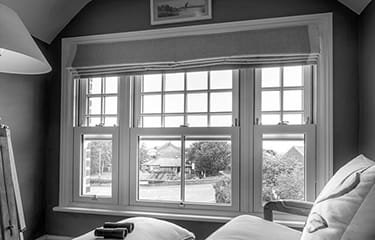
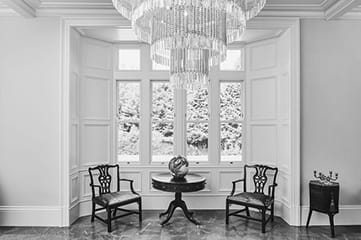
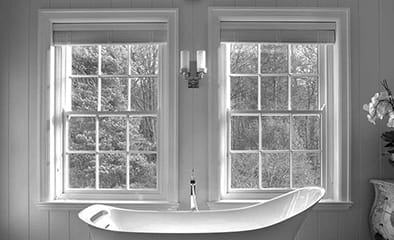
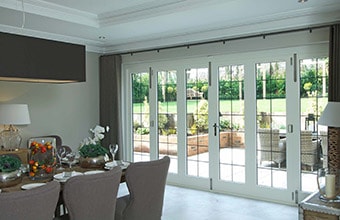
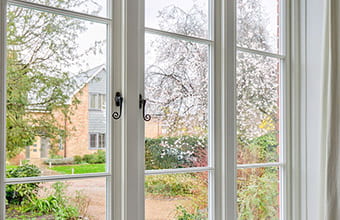
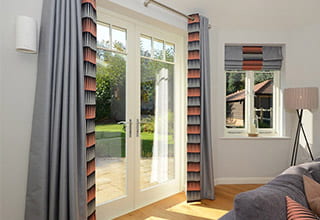


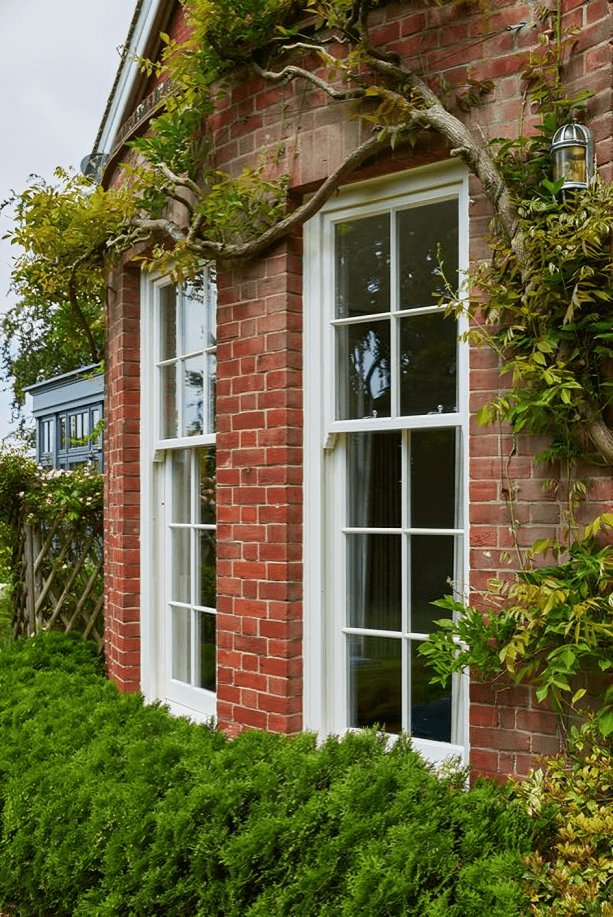
Casement windows remain one of the most popular window styles in the UK and for good reason. Combining timeless aesthetics with outstanding practicality, they offer excellent ventilation, energy efficiency, security and versatility for both traditional and modern homes.
In fact, casement windows have been a feature of British architecture for centuries, predating the iconic sliding sash window. Their simple yet effective design continues to make them a preferred choice for homeowners looking to enhance the appearance, comfort and value of their property.
Whether you’re renovating a period home or building a contemporary property, this guide covers everything you need to know about casement windows and why they could be the perfect addition to your dream home.
What Is a Casement Window?
A casement window is a window that is attached to its frame by hinges and opens outward or inward, much like a door. Most casement windows are side-hinged, although top-hung and bottom-hung options are also available.
Their design allows them to open fully, providing excellent airflow and unobstructed views. Available in uPVC, aluminium and timber, casement windows can be customised to complement virtually any architectural style.
Why Are Casement Windows So Popular?
Casement windows offer a range of benefits that make them suitable for almost any property:
- Excellent energy efficiency
- Superior ventilation
- Strong security features
- Low maintenance requirements
- Wide range of styles and finishes
- Suitable for both modern and traditional homes
- Available with double or triple glazing
Their ability to create a tight seal when closed makes them particularly attractive for homeowners looking to improve thermal performance and reduce energy costs.
How Do Casement Windows Work?
Traditional casement windows are hinged along one side of the frame and swing outward when opened. They are typically operated using a handle and secured with multi-point locking systems for enhanced security.
Modern casement windows may use friction hinges or crank-operated mechanisms to control opening and closing. Depending on the design and property requirements, they can be manufactured to open either inwards or outwards.
Types of Casement Windows
Side-Hung Casement Windows
The most common style, opening from the side and providing maximum ventilation.
Top-Hung Casement Windows (Awning Windows)
Hinged at the top, these windows open outward from the bottom and offer ventilation even during light rain.
Bottom-Hung Casement Windows (Hopper Windows)
Hinged at the bottom, these windows open inward from the top and are often used in bathrooms, basements and utility rooms.
Understanding the Parts of a Casement Window
Knowing the key components of a casement window can help you make a more informed purchasing decision.
Window Frame
The outer structure that supports the entire window system, consisting of the head, sill and side jambs.
Window Sill
The lower section of the frame, designed to channel rainwater away from the building.
Casement
The opening part of the window that contains the glazing and is attached to the frame by hinges.
Mullion
A vertical structural bar that separates individual window units.
Transom
A horizontal structural bar that divides separate sections of a window arrangement.
Locking Handle
The operating handle that controls opening and closing while activating the window’s locking system.
Trickle Vents
Small ventilation openings that help improve airflow and reduce condensation without compromising security.
Georgian Bars
Decorative bars fitted within the glazing unit to create the appearance of traditional divided panes.
Astragal Bars
Decorative bars fixed to both sides of the glass to replicate the look of authentic period windows.
What Affects the Cost of Casement Windows?
The price of casement windows can vary considerably depending on several factors, including:
- Window material (uPVC, timber or aluminium)
- Size and configuration
- Glazing specification
- Energy performance rating
- Security features
- Hardware and accessories
- Colour and finish options
- Installation requirements
While premium materials and bespoke designs may cost more initially, they often deliver greater long-term value through improved durability and energy efficiency.
What Is a Fixed Casement Window?
A fixed casement window, sometimes referred to as a fixed frame window, does not open. Instead, it is designed purely to maximise natural light and showcase external views.
These windows are commonly paired with opening casement windows and are particularly popular in bay window configurations, where they create a striking focal point while allowing light to flood the room.
What Is a Casement Picture Window?
A picture window is a large fixed window designed to frame outdoor views like a picture. It cannot be opened but provides uninterrupted sightlines and abundant natural light.
Picture windows are often combined with fully functioning casement windows on either side, offering the perfect balance between ventilation and panoramic views.
Are Casement Windows More Energy Efficient?
One of the biggest advantages of casement windows is their exceptional energy performance.
Unlike sliding sash windows, which require more flexible seals to operate smoothly, casement windows close tightly against the frame. This creates a highly effective weatherproof seal that minimises draughts and heat loss.
Benefits include:
- Improved insulation
- Reduced energy bills
- Greater indoor comfort
- Lower carbon footprint
- Enhanced weather resistance
For homeowners looking to improve energy efficiency, modern casement windows with double or triple glazing are often among the best choices available.
Can New Casement Windows Increase Property Value?
Replacing old windows can significantly improve both the appearance and performance of a property.
Potential benefits include:
- Enhanced kerb appeal
- Improved security
- Better energy efficiency
- Reduced maintenance costs
- Increased buyer confidence
Many property experts estimate that quality window replacements can increase a home’s resale value by approximately 5–10%. Additionally, improving a property’s Energy Performance Certificate (EPC) rating through energy-efficient upgrades may further enhance its market value.
Are Casement Windows Right for Your Home?
If you’re looking for a window style that combines classic design, excellent thermal efficiency, reliable security and minimal maintenance, casement windows are an outstanding choice.
Suitable for everything from period cottages to contemporary new-build homes, they continue to be one of the UK’s most practical and attractive window solutions. With a wide range of materials, colours, glazing options and configurations available, finding the perfect casement window to complement your dream home has never been easier.