

Living in many parts of the UK—especially in cities, towns ornear busy roads—often means dealing with constant background noise. Traffic, rail networks, aircraft routes and even closely packed housing can make it difficult to enjoy peace and quiet at home. Over time, this kind of noise exposure can affect sleep quality, concentration and overall wellbeing.
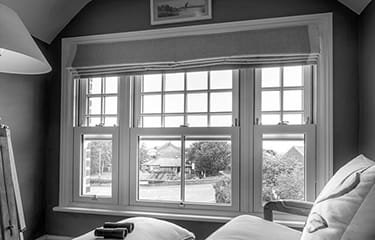
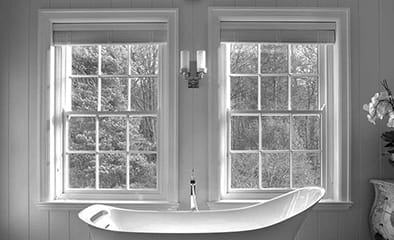
One of the most common weak points in older and even newer properties is the window area. Traditional sash windows, while attractive and characterful, can allow sound to pass through gaps, single glazing and less efficient seals. The good news is that there are several practical ways to soundproof sash windows and significantly reduce unwanted external noise without compromising the appearance of your home.
Below are some of the most effective methods used across UK homes today.
1. Upgrade to acoustic or secondary glazing
One of the most effective ways to reduce noise is improving the glazing itself. Standard single glazing offers very little sound resistance, which is why many homeowners experience noise intrusion through older sash windows.
Acoustic glass is specifically designed to reduce sound transmission. It uses an interlayer within the glass that helps absorb sound vibrations before they pass indoors. This can make a noticeable difference, particularly in homes near main roads, rail lines orairports.
Another popular option in the UK—especially in conservation areas and period properties—is secondary glazing. This involves fitting an additional internal window behind the existing sash window. It creates an insulating air gap that significantly reduces noise while maintaining the original external appearance of the property.
Both solutions can greatly reduce external sound levels, with improvements often perceived as cutting noise by up to half or more depending on the installation.
2. Improve sealing and draught proofing
Even high-quality glazing will struggle to perform well if there are gaps around the window frame. A large amount of noise enters through small air leaks, especially in older timber sash windows.
Upgrading draught proofing is therefore essential. Modern compression seals are far more effective than traditional brush seals because they create a tighter, more consistent barrier between
the moving parts of the window. This not only helps with energy efficiency but also reduces sound leakage.
For many UK homeowners, professional draught proofing alone can noticeably reduce traffic noise and general street sound, particularly in older Victorian and Georgian properties where original windows may have worn over time.
3. Use heavier curtains and interior soft furnishings
Sound doesn’t only travel through gaps—it also reflects off hard surfaces inside the home. Rooms with wooden floors, minimal furniture and bare walls can often feel louder due to echo and reverberation.
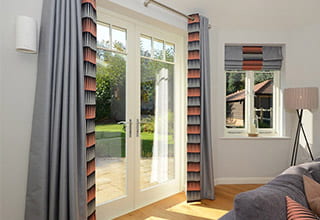
Adding soft furnishings is a simple but effective way to improve indoor acoustics. Thick, lined curtains or blackout drapes are especially useful for reducing noise coming through windows. The denser the fabric and the better the coverage around the window, the more sound it can absorb.
Rugs, upholstered furniture, cushions and wall textiles can also help reduce echo and create a more comfortable and quieter living environment overall.
While these solutions won’t block external noise entirely, they make a noticeable difference to how sound behaves inside the room.
4. External noise reduction strategies
In many UK properties, especially those in urban or suburban areas, reducing noise at the source can be just as important as improving the windows themselves.
External shutters can add an extra physical barrier to help reduce sound entering through glazing. In some cases, they also provide additional thermal and security benefits.
Landscaping is another effective long-term approach. Dense hedges, shrubs ortrees planted around the boundary of a property can help absorb and diffuse sound waves before they reach the building. While vegetation alone won’t completely block traffic noise, it works well as part of a combined approach.
Even boundary walls or fencing designed with sound reduction in mind can contribute to lowering overall noise levels in outdoor-facing rooms.
Creating a quieter home with better sash window solutions
For many UK homeowners, particularly those living in period properties, improving sash windows is one of the most effective steps towards reducing noise without losing character.
Modern timber sash windows can now be designed with advanced glazing options, improved sealing systems and discreet performance upgrades that maintain traditional aesthetics while delivering far better acoustic performance.
With the right combination of glazing, draught proofing and interior improvements, it’s possible to significantly reduce external noise and create a calmer, more comfortable home environment even in busy locations.
make it elaborate
How to Soundproof Sash Windows and Reduce Noise in UK Homes
Noise pollution has become an unavoidable part of modern living across much of the UK. Whether you live in a bustling city, a busy suburban street, near a railway line or under a flight path, unwanted sound can easily find its way into your home. Over time, constant exposure to traffic noise, sirens, construction and general street activity can affect sleep quality, increase stress levels and reduce the overall comfort of your living space.
In many homes—particularly older properties—sash windows are one of the main entry points for external noise. While they are highly valued for their traditional appearance and architectural charm, they can also be less effective at blocking sound if they haven’t been upgraded or properly maintained.
Fortunately, there are several proven ways to improve the acoustic performance of sash windows without losing their character or compromising the look of your property. A combination of glazing upgrades, sealing improvements and interior adjustments can make a significant difference.
Below is a detailed guide to help you understand how to effectively soundproof sash windows in UK homes.
Understanding how sound enters through sash windows
Before looking at solutions, it helps to understand why sash windows are often a weak point for noise insulation.
Sound travels in waves and it enters buildings in two main ways:
- Through the glazing (the glass itself)
- Through air gaps around the window frame and moving parts
Traditional sash windows, especially older single-glazed versions, struggle in both areas. The glass is thin and the sliding mechanism naturally creates small gaps that allow air—and therefore sound—to pass through.
Even minor improvements in sealing and glazing can lead to noticeable reductions in noise levels inside the home.
1. Upgrade to acoustic glass or modern glazing systems
One of the most effective long-term solutions for reducing noise through sash windows is upgrading the glazing.
Acoustic glass
Acoustic glass is specifically designed to reduce sound transmission. It contains a specialised interlayer between panes of glass that helps absorb and dampen sound vibrations before they pass through into the room.
This type of glazing is particularly effective at reducing:
- Traffic noise
- Engine rumble
- General urban background sound
- High-frequency noise such as voices or sirens
In practical terms, acoustic glass can significantly improve comfort levels indoors, especially in homes located near busy roads or commercial areas.
Double glazing and slimline options
For many UK homes—especially period or conservation properties—traditional double glazing may not always be suitable visually. However, modern slimline double glazing offers a strong alternative.
Slim-profile units are designed to replicate the appearance of single glazing while still offering improved thermal and acoustic performance. This makes them ideal for sash window upgrades where maintaining traditional aesthetics is important.
Secondary glazing (a popular UK solution)
Secondary glazing is often used in listed buildings or conservation areas where altering original windows is restricted. It involves installing an internal window behind the existing sash.
This creates an insulating air gap between the two panes, which is highly effective at reducing sound transmission. In many cases, secondary glazing is considered one of the best ways to reduce noise without replacing original windows.
2. Improve draught proofing and airtight sealing
Even the best glazing will not perform well if sound can leak through gaps around the frame.
Sash windows rely on a moving mechanism, which means there are naturally more opportunities for air leakage compared to fixed windows. Over time, timber can also shrink or warp slightly, increasing these gaps.
Compression seals vs brush seals
Modern draught proofing systems typically use compression seals rather than older brush-style seals.
Compression seals work by gently pressing against the moving parts of the window, creating a tight seal when the window is closed. This significantly reduces both air movement and sound transfer.
Brush seals, while still used in some applications, are generally less effective for acoustic performance.
Benefits of proper sealing
Improving sealing around sash windows can help reduce:
- Traffic noise leakage
- Wind noise
- Vibrations caused by external movement
- General draughts that carry sound indoors
When combined with upgraded glazing, improved sealing can make a substantial difference to indoor comfort.
3. Strengthen interior sound absorption
Soundproofing sash windows isn’t only about the windows themselves—what’s inside your home also plays a major role in how sound behaves.
Rooms with hard surfaces tend to amplify noise, making external sound feel more intrusive than it actually is.
Heavy curtains and thermal drapes
One of the simplest and most effective interior improvements is the use of thick, lined curtains. These help to:
- Absorb sound waves
- Reduce echo in the room
- Add an extra barrier over the window
Floor-to-ceiling curtains that fully cover the window frame are particularly effective.
Soft furnishings and layout changes
Other improvements include:
- Rugs or carpets instead of bare wooden floors
- Upholstered furniture such as sofas and armchairs
- Cushions and fabric wall hangings
- Bookshelves filled with items that help break up sound waves
These changes don’t block external noise entirely, but they help reduce the overall intensity and improve the acoustic comfort of the space.
4. External solutions to reduce noise at the source
In addition to window improvements, external modifications can help reduce how much noise reaches your home in the first place.
Shutters and external coverings
Traditional or modern external shutters can provide an additional barrier to sound. When closed, they help block direct noise transmission through glazing and reduce exposure to street-level sound.
Landscaping and natural barriers
Vegetation is often overlooked, but it can play a helpful supporting role in noise reduction. Dense hedges, trees and shrubs can help:
- Absorb sound energy
- Diffuse noise before it reaches the building
- Create a psychological buffer from busy surroundings
While not a standalone solution, landscaping works well alongside window upgrades.
Boundary walls and fencing
In some UK properties, especially those near main roads, solid fencing or boundary walls can also help reduce direct noise exposure. Acoustic fencing is sometimes used in more severe cases of noise pollution.
5. Choosing the right sash window solution for UK homes
For many homeowners, especially those living in period or character properties, replacing windows is not always desirable or permitted. This is where tailored sash window solutions become important.
Modern timber sash windows can now be designed to combine:
- Traditional appearance suitable for UK housing styles
- Acoustic glazing options for noise reduction
- Advanced draught proofing systems
- Slimline profiles that suit conservation requirements
This means homeowners no longer need to choose between preserving the look of their property and improving comfort.
Creating a quieter, more comfortable home
Reducing noise in the home is rarely achieved through a single change. Instead, the most effective results come from combining multiple improvements—better glazing, improved sealing, interior sound absorption and external noise management.
For UK homeowners living in busy environments, upgrading sash windows is often one of the most impactful steps toward creating a calmer, more peaceful living space. With the right approach, even homes on busy streets can feel significantly quieter and more comfortable throughout the day and night.