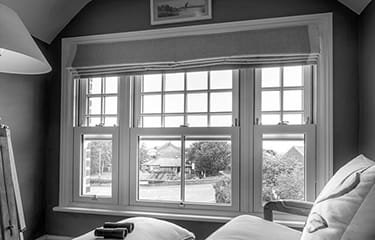
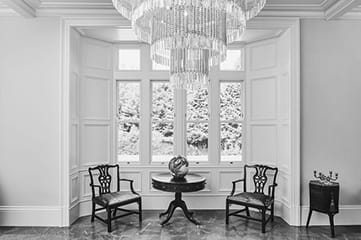
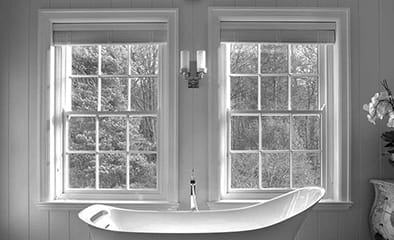
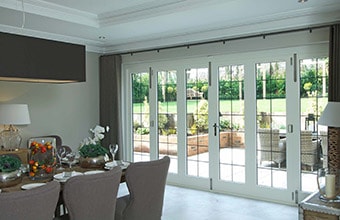


Box sash windows are one of the defining features of Britain’s historic architecture. From elegant Georgian townhouses to Victorian terraces and Edwardian homes, these traditional timber windows have been enhancing the appearance and functionality of properties for centuries. Their timeless design, excellent ventilation and classic proportions continue to make them one of the most desirable window styles in the UK.
However, as many original box sash windows are over 100 years old, they often require careful restoration to maintain their beauty and performance. Fortunately, advances in glazing technology and timber restoration mean homeowners no longer have to choose between preserving authentic character and improving energy efficiency.
Whether you own a listed property, a home in a conservation area or simply appreciate traditional craftsmanship, restoring your original box sash windows can provide significant long-term benefits.
What Is a Box Sash Window?
A box sash window is a vertically sliding timber window consisting of one or more movable sashes that operate within a concealed box frame. Hidden inside this frame are weights, pulleys and sash cords that counterbalance the weight of the window, allowing it to open and close smoothly with very little effort.
Unlike side-hinged casement windows, sash windows slide vertically, making them ideal for properties where external space is limited. They also provide excellent ventilation by allowing cool air to enter through the lower opening while warm air escapes through the upper gap, creating natural airflow throughout the room.
This ingenious design has remained largely unchanged for centuries because it continues to perform exceptionally well.
The Rich History of Box Sash Windows
Box sash windows first appeared in England during the 17th century and rapidly became the preferred window style for homes across the country. Their elegant proportions and practical operation perfectly suited the architectural styles of the Georgian and Victorian periods.
Today, they remain an iconic feature of Britain’s built heritage. Walk through almost any historic town, village or city centre and you’ll find beautifully preserved sash windows lining terraces, manor houses and public buildings.
Because of their historical significance, original sash windows are often protected within listed buildings and conservation areas, making restoration the preferred option over replacement.
Different Styles of Box Sash Windows
Although all box sash windows share the same sliding mechanism, their glazing patterns vary depending on the architectural period.
Georgian Sash Windows
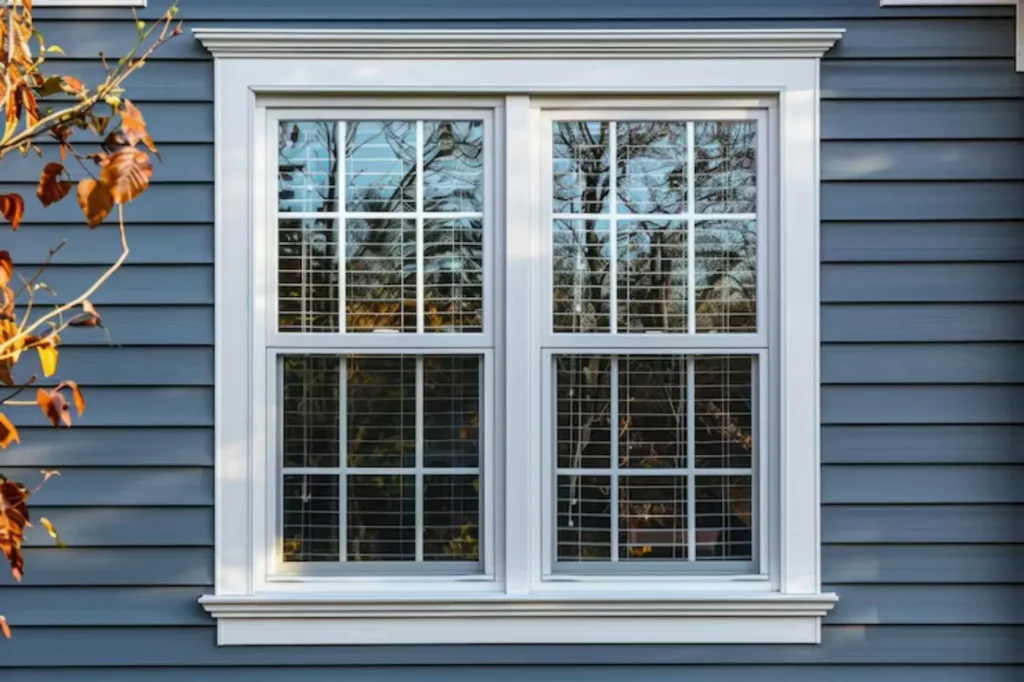
Georgian sash windows are instantly recognisable by their symmetrical appearance and multiple glazing bars. The classic design features six panes in the upper sash and six panes in the lower sash, creating the well-known “six over six” configuration.
These windows perfectly complement Georgian architecture and remain highly sought after for heritage renovations.
Victorian Sash Windows
As glass manufacturing techniques improved during the Victorian era, larger panes of glass became affordable. This led to windows featuring fewer glazing bars, often with one or two large panes per sash.
Victorian sash windows allow more natural light into the property while maintaining the elegant proportions associated with traditional timber windows.
Edwardian and Mixed Designs
Edwardian homes often combine Georgian symmetry with Victorian simplicity. Many feature six panes in the upper sash and a single large pane below, commonly known as a “six over one” or half-Georgian design.
These mixed styles remain popular because they retain traditional character while maximising views and daylight.
Why Restore Rather Than Replace?
Many homeowners assume ageing sash windows must be replaced, but this is rarely the case. In fact, original timber windows were built using high-quality slow-grown timber that is often superior to many modern alternatives.
Professional restoration can significantly extend the life of these windows while preserving the property’s authentic appearance.
Choosing restoration offers numerous advantages, including:
- Retaining original period features
- Preserving the property’s architectural character
- Improving energy efficiency
- Reducing draughts and heat loss
- Enhancing security
- Increasing property value
- Minimising waste through sustainable refurbishment
- Often costing less than full replacement
For listed buildings and homes in conservation areas, restoration is frequently the most appropriate and compliant solution.
Common Problems Found in Older Box Sash Windows
Years of exposure to the British climate can cause various issues to develop over time. Fortunately, many of these can be repaired without replacing the entire window.
Common problems include:
- Rotten or damaged timber
- Worn sash cords
- Loose or broken pulleys
- Sticking or difficult-to-open sashes
- Excessive draughts
- Rattling windows
- Peeling paint
- Water ingress
- Faulty locks
- Broken glazing
- Heat loss through single glazing
A professional assessment can determine whether repair or refurbishment is the most suitable option.
The Box Sash Window Restoration Process
Restoring timber sash windows requires a combination of traditional joinery skills and modern repair techniques.
A comprehensive restoration project may include:
Timber Repairs
Decayed timber sections are carefully removed and replaced with durable new timber that matches the original profile.
Frame Restoration
Window frames are repaired, strengthened and prepared to ensure long-term structural stability.
Sash Repairs
Each sash is restored to ensure smooth movement, correct alignment and reliable operation.
New Sash Cords and Pulleys
Worn cords and damaged pulley systems are replaced to restore effortless opening and closing.
Draught Proofing
Modern brush seals are discreetly installed to eliminate draughts while preserving the traditional appearance of the window.
Hardware Upgrades
New locks, catches, lifts and security restrictors improve both security and everyday usability.
Surface Preparation and Decoration
Windows are stripped, repaired, primed and repainted using high-quality coatings designed to protect timber from the UK’s changing weather conditions.
Modern Double Glazing for Traditional Sash Windows
One of the biggest advancements in window restoration is the development of slimline heritage double glazing.
Unlike bulky modern glazing units, slimline double glazing is specifically designed to fit traditional timber frames while maintaining the original sightlines and appearance.
Benefits include:
- Improved thermal insulation
- Reduced heating costs
- Less condensation
- Better acoustic insulation
- Increased comfort throughout the year
- Enhanced energy efficiency
- Improved property value
For many properties, heritage double glazing offers the perfect balance between conservation and modern performance.
Choosing the Right Glass
Modern restoration projects offer a wide range of glazing options to suit different requirements.
These include:
- Heritage slimline double glazing
- Low-emissivity (Low-E) glass
- Acoustic glass for noise reduction
- Toughened safety glass
- Laminated security glass
- Obscure privacy glass
- Decorative patterned glass
Selecting the appropriate glazing depends on the property’s location, planning restrictions and desired level of performance.
Sustainable Restoration for Period Homes
Restoring existing timber windows is one of the most environmentally responsible choices available.
Rather than disposing of original materials, restoration preserves valuable timber, reduces landfill waste and lowers the environmental impact associated with manufacturing entirely new windows.
Combined with energy-efficient glazing, restored sash windows contribute to a more sustainable and comfortable home while retaining their original architectural significance.
Protecting Your Home’s Character for Future Generations
Original box sash windows are far more than functional building components—they are an integral part of Britain’s architectural heritage. Their elegant craftsmanship, distinctive appearance and exceptional longevity make them worth preserving wherever possible.
With professional restoration, modern glazing technology and expert timber repairs, these traditional windows can continue serving homes for decades while delivering the energy efficiency, security and comfort expected by today’s homeowners.
Whether you’re restoring a single window or renovating an entire period property, investing in quality sash window restoration ensures your home retains its historic character while meeting the demands of modern living.